youtube.com/channel/UCkI0gW7rCYGki52Il45yRtA
QR Code or link to my YouTube Channel Take the Trip by Brian
No comments on My YouTube Channel check it out!
youtube.com/channel/UCkI0gW7rCYGki52Il45yRtA
QR Code or link to my YouTube Channel Take the Trip by Brian
Take The Trip by Brian
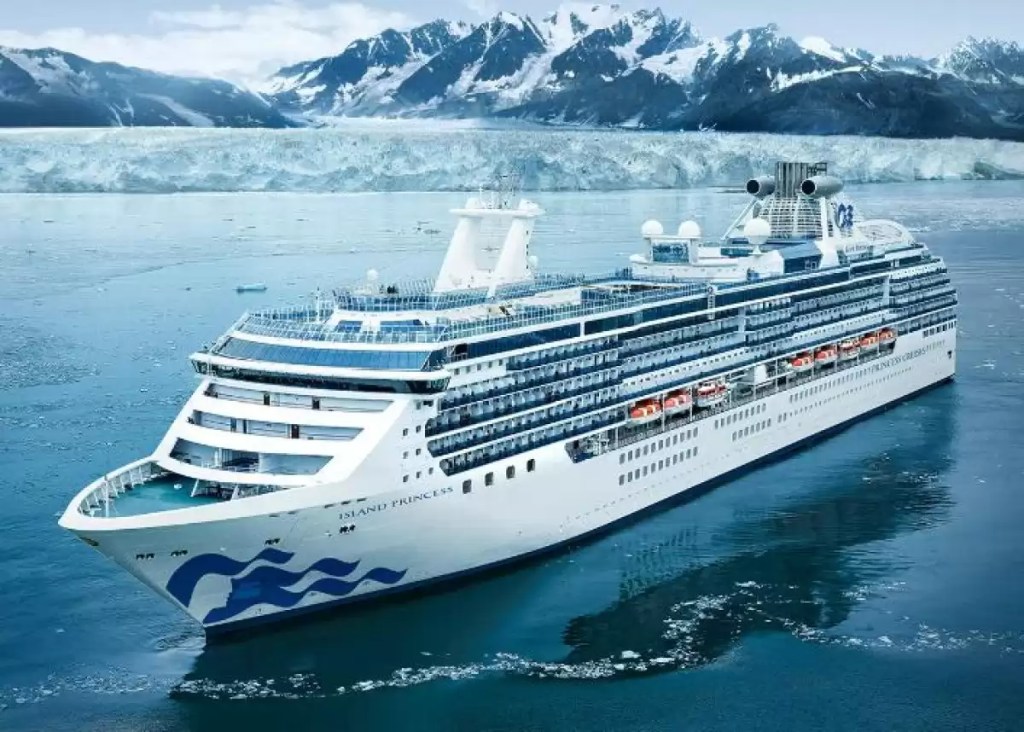
If you’ve cruised the Caribbean before and think, “No problem, I know exactly how to pack for Alaska,” I’m here to tell you… pump the brakes.
Because packing for Alaska is a completely different game.
For the Caribbean, the suitcase strategy is simple: swimsuits, flip-flops, sunglasses, a few t-shirts, maybe something nice for dinner, and you’re done. You can practically throw random summer clothes into a bag and somehow survive the week.
Alaska? Alaska laughs at that plan.
The first thing nobody really tells you is that Alaska weather has commitment issues. You can wake up to sunshine, put on a light jacket, and think, “Wow, this isn’t bad at all.” Two hours later? Rain. Wind. Colder temperatures. Then suddenly sunshine again.
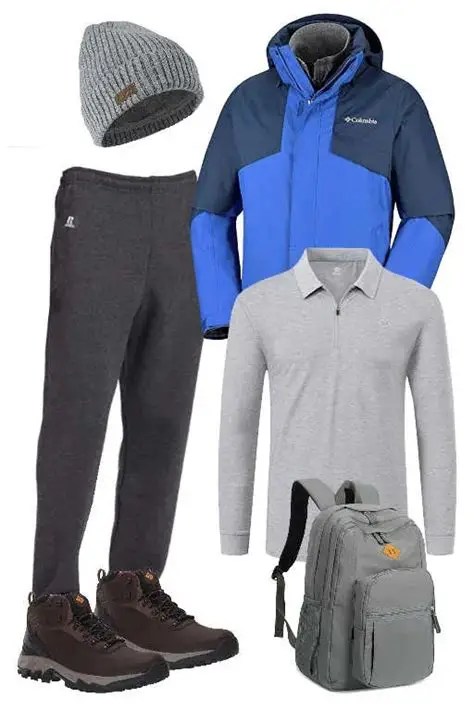
You don’t pack for one season in Alaska.
You pack for all four.
Layers become your new best friend. Instead of loading your suitcase with huge bulky coats, think like an onion. T-shirts, long sleeves, hoodies, lightweight jackets, rain protection… because you may end up adding or removing layers multiple times in the same day.
And speaking of rain…
Forget the Caribbean mentality of “Eh, if I get wet I’ll dry off.”
Nope.
In Alaska, if you’re standing outside trying to spot whales, glaciers, bears, or bald eagles, getting soaked can turn a fun excursion into a very long day.
A good rain jacket suddenly becomes one of the most valuable things in your suitcase.
Then there are the shoes.
Caribbean packing:
“Which sandals look best?”
Alaska packing:
“Which shoes can survive puddles, hills, docks, and me accidentally walking through mud while chasing a photo opportunity?”
Comfort wins every time.
Another thing that surprised me? You still might use shorts.
I know… Alaska and shorts sounds weird in the same sentence.
But on the ship during sunny sea days, or if temperatures climb a little, you’ll probably see people wearing shorts around the pool deck. So don’t completely abandon warm-weather clothes either.
See? This is exactly the problem.
You end up packing like you’re preparing for two different vacations at once.
And here’s the thing I probably underestimated the most: accessories actually matter in Alaska.
A hat.
Gloves.
A small backpack.
Maybe binoculars.
Those little items suddenly become things you use every single day.
Meanwhile on Caribbean cruises I usually grab sunglasses and call it good.
By the end of packing for Alaska, your suitcase starts looking confused.
You’ve got a hoodie sitting next to shorts, gloves next to sunglasses, and waterproof shoes next to pool clothes.
It feels completely wrong…
Until you get there.
Then suddenly you realize Alaska wasn’t the place that was confused.
It was you.
So if you’re getting ready to Take The Trip to Alaska, don’t pack like you’re heading to the Caribbean. Pack for adventure, pack for changing weather, and pack for the unexpected… because Alaska plays by its own rules
Until next time, I’m Brian — have a great day!
If you travel long enough, you’ll hear this question over and over:
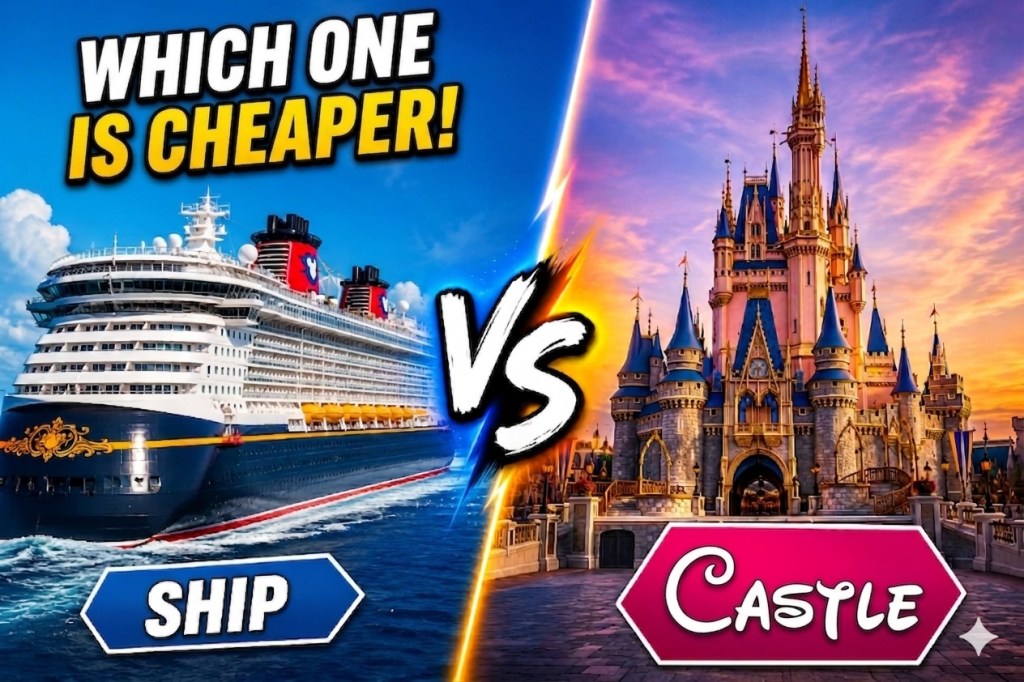
“Is a cruise cheaper than Disney?”
At first, it sounds like an easy answer, but once you start adding up all the costs, things get a little more interesting. I’ve seen people assume cruises are automatically cheaper, while others swear Disney is worth every dollar no matter the price tag.
So let’s break it down and see where your vacation money really goes.
When you book a cruise, you usually take a deep breath after seeing that upfront price. It can feel like a big number staring back at you on the screen.
But here’s what you’re getting:
Now compare that with Disney.
Your costs can stack up quickly:
That number can start climbing faster than a roller coaster.
Winner for overall value per day: Cruise
Not necessarily because it’s cheaper upfront, but because a lot more is bundled into that cost.
If you’ve ever been on a cruise, you already know food is practically a full-time activity.
Want pizza at midnight? Go for it.
Want breakfast, lunch, dessert, and then somehow another dessert? Nobody is judging.
Most of it is included.
Disney is a different experience.
Disney food is amazing, and I’ll admit there are some snacks that become part of the experience itself. But somehow you start with:
“I’ll just grab a snack.”
Then suddenly you’ve got a popcorn bucket, a pretzel, a drink, maybe another snack, and somehow your wallet is wondering what just happened.
Those little purchases add up surprisingly fast.
Winner for food value: Cruise — and it isn’t particularly close.
Now before cruise fans start celebrating too much, cruises have their own traps waiting.
On cruises you can quickly add:
Disney has its own version:
Here’s the truth:
Both vacations have a way of quietly separating you from your money if you’re not paying attention.
The answer is:
It depends on how YOU vacation.
If your ideal trip is relaxing by a pool, enjoying included food, seeing multiple destinations, and not worrying about every meal cost, cruises probably win.
If your perfect vacation means rides, characters, nonstop excitement, and that Disney magic feeling, then Disney might absolutely be worth the extra cost.
At the end of the day, there isn’t really a wrong choice.
There’s only the vacation style that fits you best.
Because whether you choose a cruise ship or Cinderella’s Castle…
Your wallet is going on vacation too.
Until next time, I’m Brian — have a great day!
“First time going on a cruise? These mistakes could ruin your trip before the ship even leaves the port.”
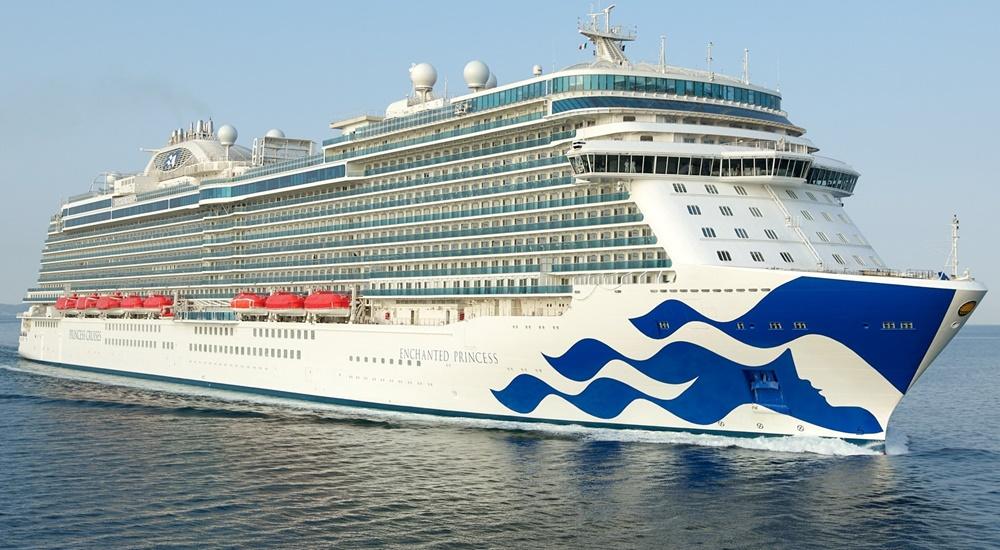
“Hey everyone, Brian here from Take The Trip by Brian — and after cruising and talking to tons of travelers, these are the biggest mistakes first-time cruisers make.”
Mistake #1:
“Flying in the same day your cruise leaves.

Flights get delayed… bags get lost… and the ship will NOT wait for you.
Always fly in the day before and start your vacation stress-free.”
Mistake #2:
“Overpacking.
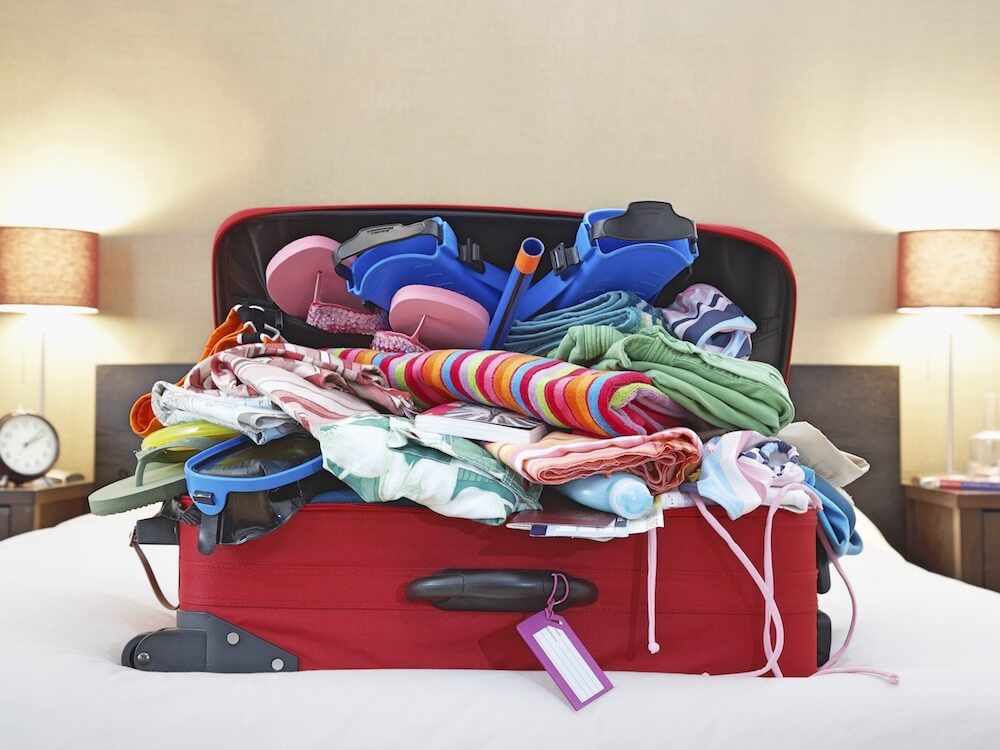
Cruise cabins are small, and most people wear the same few outfits anyway.
Trust me — you don’t need your entire closet.”
Mistake #3:
“Not budgeting for extras.
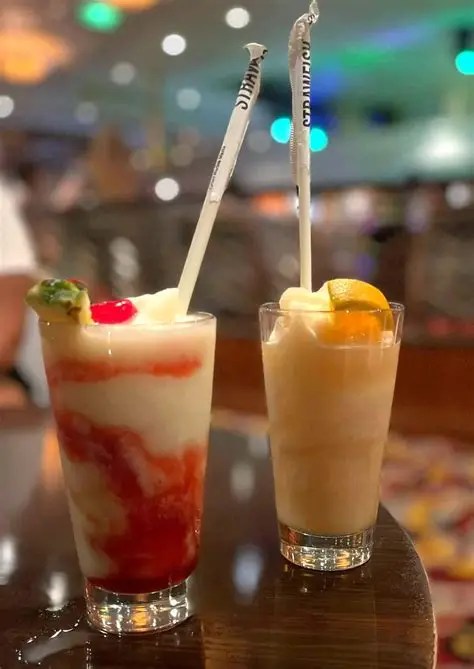
Your cruise might be paid for, but things like gratuities, drinks, excursions, and Wi-Fi can add up fast if you’re not ready for it.”
Bonus Tip:
“And here’s one more… bring magnetic hooks.
Cruise cabin walls are metal and it gives you instant extra storage.”
Advice:
“A little planning makes cruising one of the easiest and most fun vacations you’ll ever take.”
remember to take the trip… you won’t regret it.”
16 Things Buc-ee’s Employees Really Want You To Know
Buc-ee’s, the travel center with a larger-than-life reputation, has steadily built a devoted following of customers trying to avoid wasting money on the road.
However, beyond the sparkling bathrooms, brisket sandwiches, and friendly employee smiles, there are intriguing secrets that Buc-ee’s employees want you to know.
They might even make you an even bigger fan of the beaver than you were before.
Make Money: 8 things to do if you’re barely scraping by financially
Buc-ee’s employees are known for providing food samples to customers upon request, which means you can keep more of what you earn while you determine whether you’ll like something.
You may even stumble across an employee offering a tasty treat. They know first-hand how good the food is, so don’t be surprised if you try, then buy.
While Buc-ee’s has an extensive beverage selection, you won’t generally find Pepsi products on its shelves; the store has an exclusive contract with Coca-Cola.
Note that this agreement went into place all the way back in 1997, long before Buc-ee’s was a roadside juggernaut.
Will that change in the future? It’s not likely, given their reputation for loyalty, but it’s also not impossible.
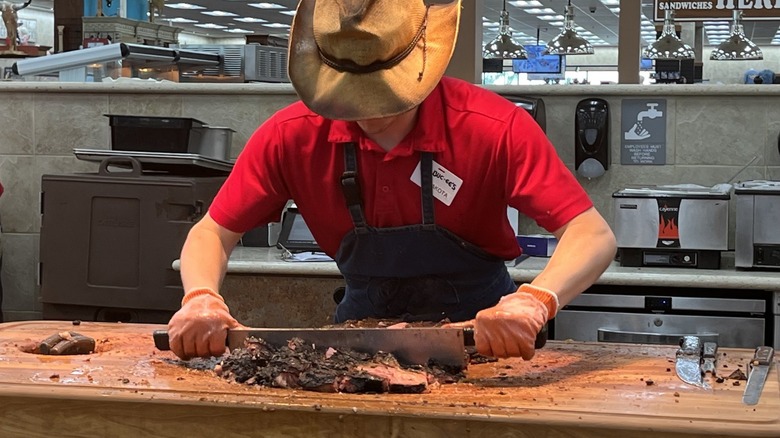
Employees undergo extensive training to ensure the barbecue offerings are prepared entirely by the book, maintaining the store’s reputation for drool-worthy meats.
That includes smoking it low and slow, slicing it on a carving table in-store, and announcing “Fresh hot brisket on the board!” every few minutes
Then they sauce the brisket dramatically before putting it onto a sandwich. It’s a whole show.
While Buc-ee’s is first and foremost a stop for weary and hungry travelers, it’s a fun place to take pictures on special occasions for some.
Some high schoolers stopped in for a prom photo shoot on at least one occasion, dressed to the nines in formal wear.
Another couple decided it was the perfect destination for a romantic photo escapade. Who knew posing with Beaver Nuggets was so relatable?
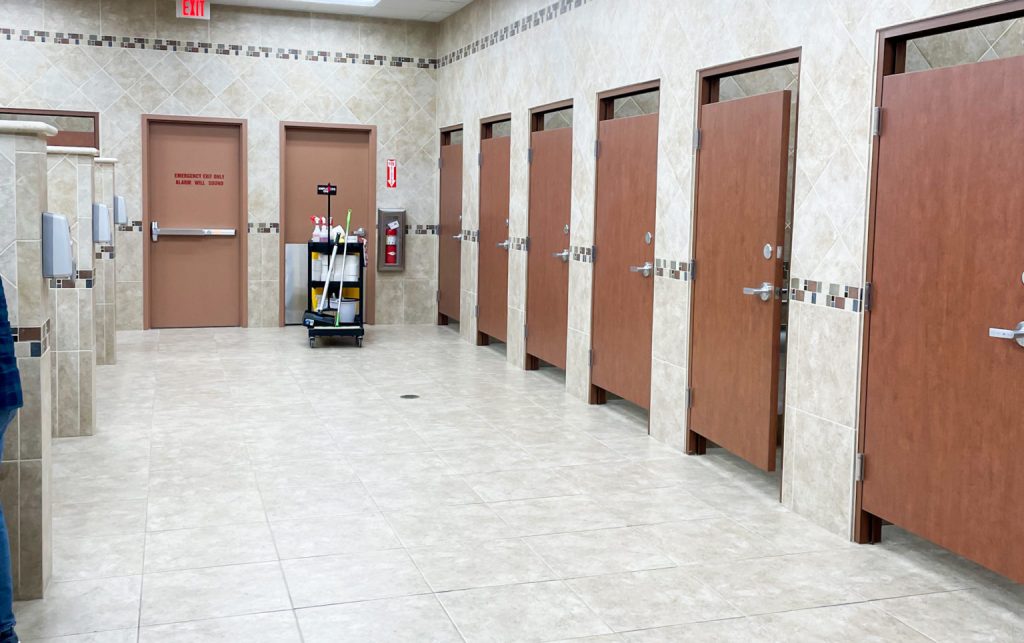
When it comes to cleanliness, Buc-ee’s isn’t lying when they say they’ve set a new standard. Their bathrooms have earned the Cintas title of “Cleanest Restrooms in America,” and rightfully so.
You might not know just how hard employees work to maintain those spotless facilities to make your pit stop a pleasant experience.
In fact, some Buc-ee’s workers are hired to do only that, day in and day out.
Anyone who’s seen a Buc-ee’s from behind a car window can tell you that their stores are giant. However, the true scale of some of these outlets requires a bit of fact-finding.
The largest Buc-ee’s was in Sevierville, Tennessee, at 74,000 square feet. However, the biggest Buc-ee’s is currently the one in Luling, Texas, at 75,000 square feet, which opened in June 2024.
For first-time visitors, Buc-ee’s can be something of a revelation. Its colossal size, seemingly endless selection of items, and buzzing atmosphere often leave newbies agape.
Imagine folks walking around with eyes wide, marveling at the endless selection of seemingly everything, and commenting that the roadside bathrooms aren’t neglected.
You can imagine this is an amusing sight if it’s just where you work every day.
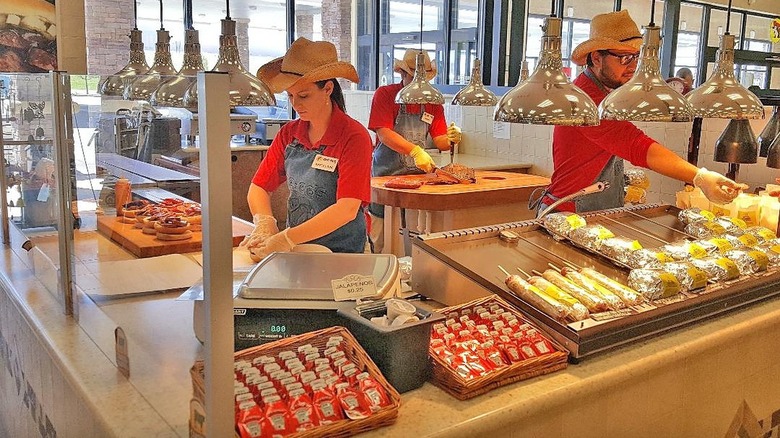
You’ve probably noticed a lot of staffers on the floor when you stop at a Buc-ee’s, more than you might see at a different travel center or convenience store.
As it turns out, a single Buc-ee’s location can have as many as 250 individual employees. Given that the average (and likely) smaller gas station has about 11, that’s a huge difference.
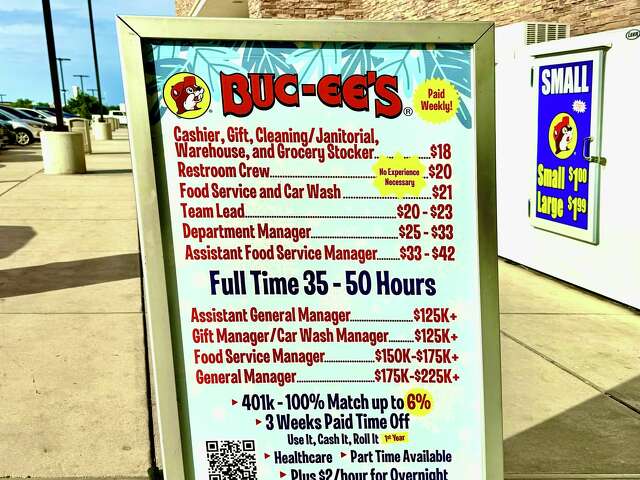
Buc-ee’s takes care of its employees, offering wages higher than industry standards. The company broadcasts this proudly on signs at all locations, paying far more than minimum wage in many cases.
If you’re promoted into management, you can stand to do exceptionally well for yourself; managers are paid over $70,000 per year.
And in corporate, you might make over an impressive $200,000 annually.
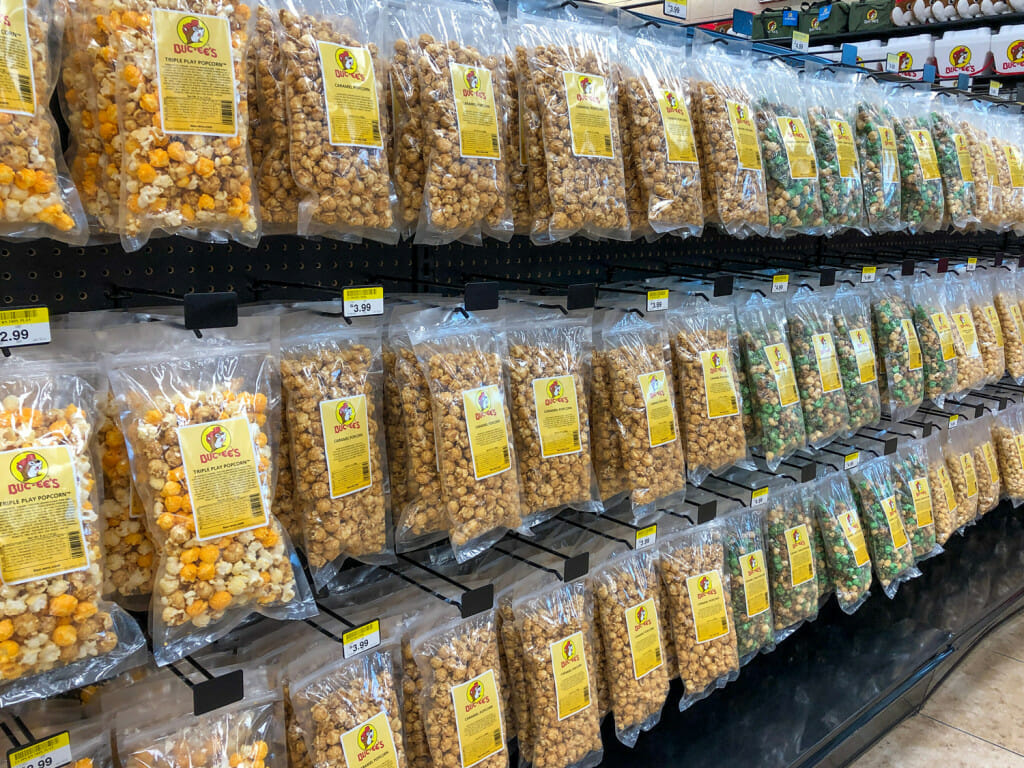
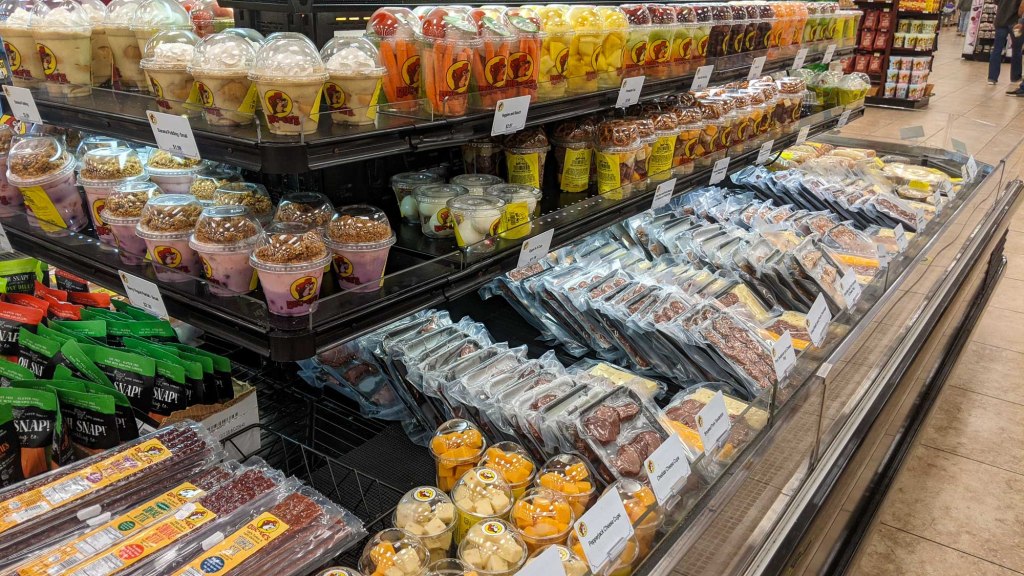
Buc-ee’s is a paradise for food lovers, something employees know well. There are entire walls dedicated to salty snacks, taffy, and gummy candy.
Perhaps you prefer a healthy option? Dig into bins of beef jerky or end caps stocked with fresh fruit.
They also offer prepared hot foods like Reuben sandwiches and breakfast tacos. Don’t forget to grab a jar of pickled quail eggs on the way out. And for dessert, you can take your pick from 24 flavors of fudge.
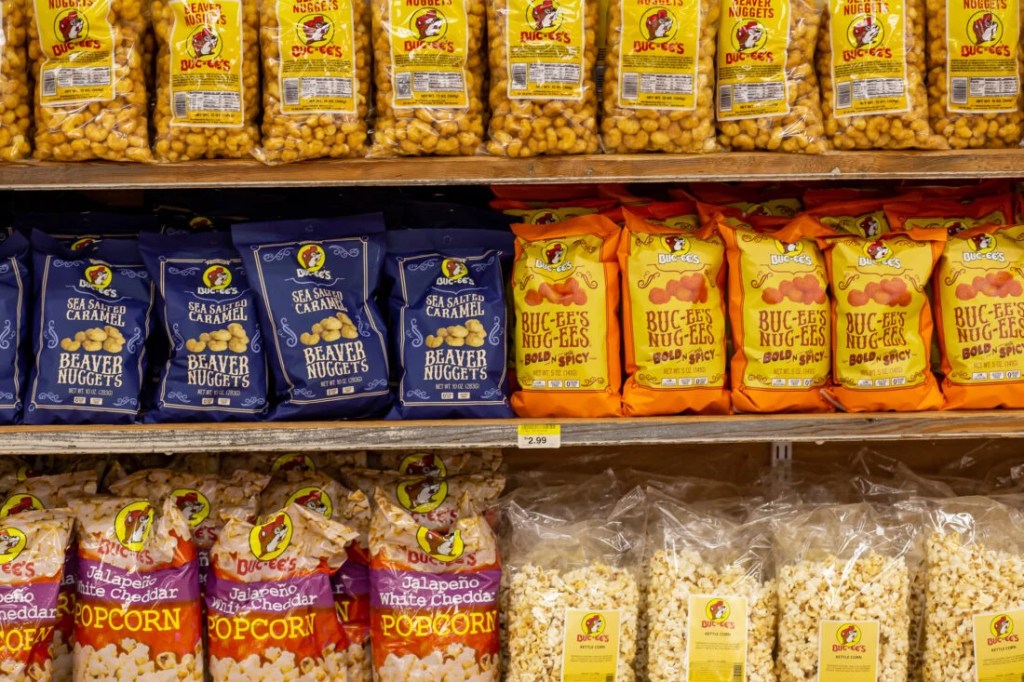
Some foods at Buc-ee’s have achieved cult status thanks to their addictive flavors and good quality.
For example, any employee can tell you that Beaver Nuggets are one of the most popular treats, thanks to their sweet and salty crunchiness. But don’t sleep on Buc-ee’s barbecue sandwiches.
While food critics may point out that you can get better from down-home mom-and-pop shops, Buc-ee’s serves up arguably the best in the travel center ecosystem. Try one and see.
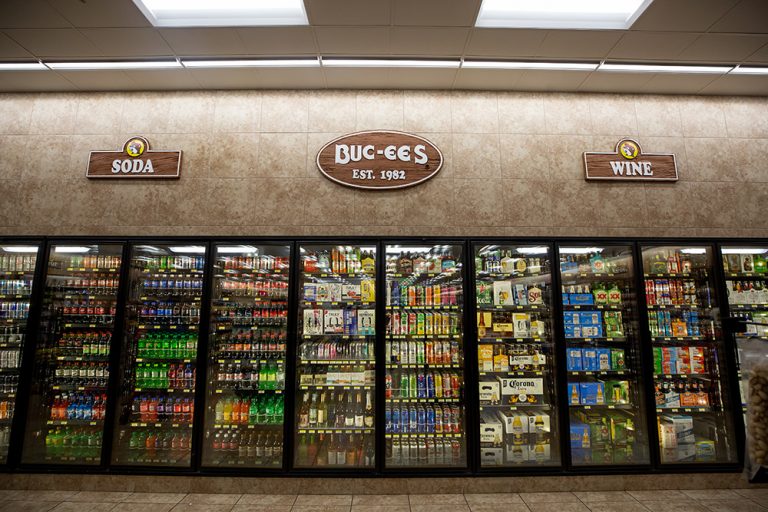
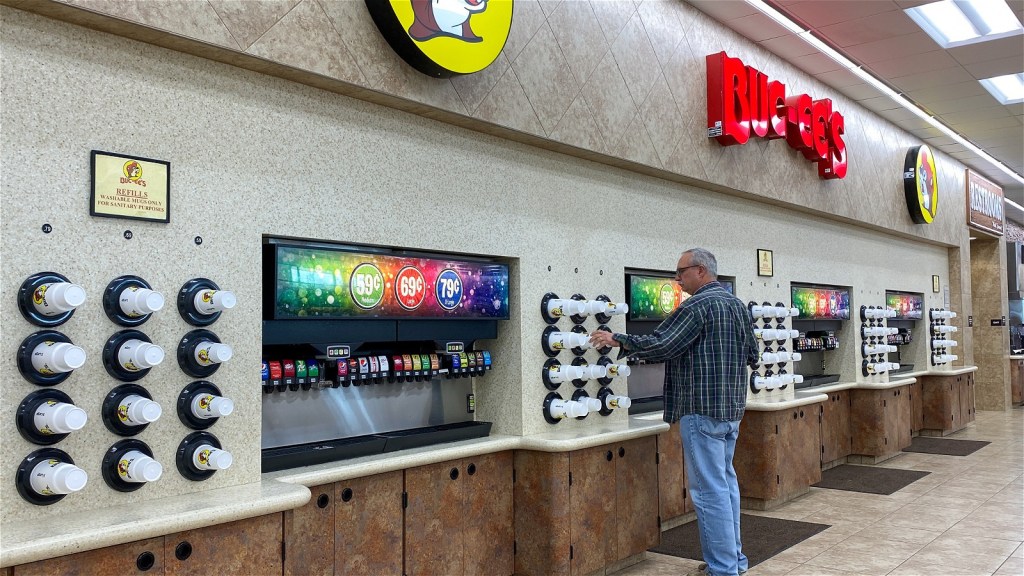
Quenching your thirst at Buc-ee’s is an adventure in itself, with a massive selection of beverages ranging from classic colas to ICEEs to Buc-ee’s exclusives like cherry lime soda.
You can also find any number of standard canned and bottled beverages, running the gamut from energy drinks to beers to a decent selection of wine.
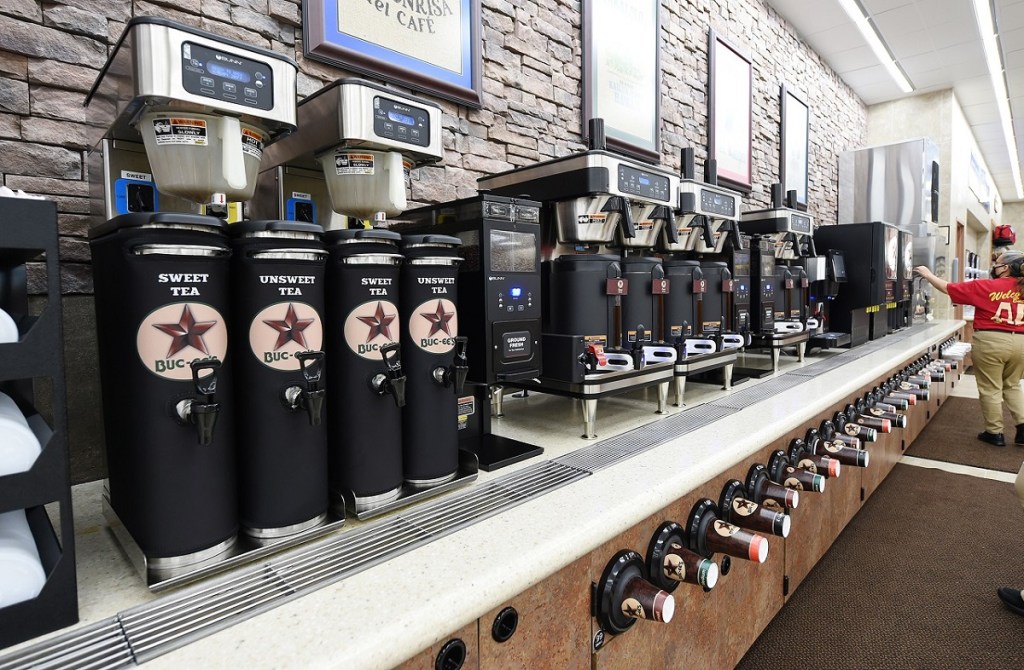
Coffee lovers will be delighted to discover the wonders of Buc-ee’s coffee stations.
The store stocks an impressive array, including heavy cream, whipped cream, and assorted flavored sweeteners to customize your perfect cup of joe.
The coffee is hot and delicious, thanks to the fact that there’s a dedicated employee who tends to the coffee station. They may even make a fresh pot for you if you’re there long enough.
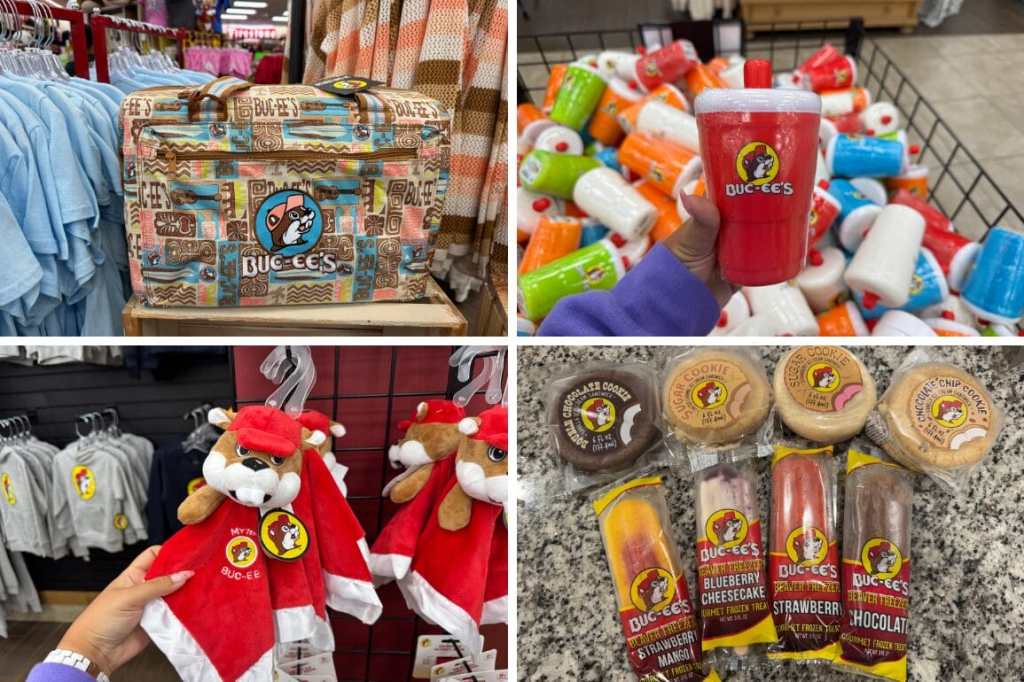
Beyond the endless snacks and convenience items, Buc-ee’s sells an impressive array of branded merchandise and souvenirs.
From quirky apparel to fun trinkets, you can leave with new items to profess your Buc-ee’s love when you’re at home.
You can also find fun seasonal gifts on the higher end, which can surprise new visitors. Don’t forget the impressive selection of kids’ toys, either.
Despite their enormous footprints and parking lots, Buc-ee’s stores don’t accommodate 18-wheel trucks.
They say this policy allows for smoother traffic flow and ensures a more comfortable experience for customers driving standard vehicles.
While many truckers take umbrage at being excluded, Buc-ee’s employees will indeed tell you to leave if you pull up in a rig. They don’t make the rules; they just have to enforce them. Sorry.
If you step inside a Buc-ee’s, know you are being watched in every corner of the store. For one, employees will have their eyes on customers, naturally.
However, each Buc-ee’s location is also outfitted with a surprising number of high-tech security cameras. One Houston store had over 200 installed.
Add to that the fact that managers can watch the activity from their phones, so you can enjoy a pretty secure environment while you’re keeping more money in your wallet.
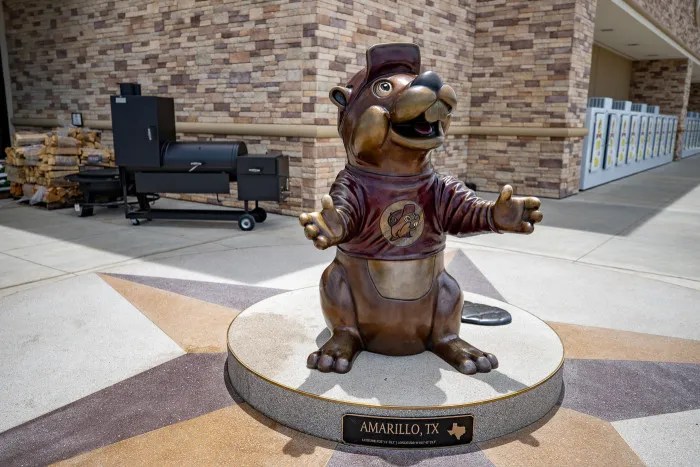
Buc-ee’s is more than just a convenience store; it’s an experience that leaves an impact on visitors.
But just because Buc-ee’s is a chain doesn’t mean the customer and employee experience will be the same at every location. Each has its local nuance and flavor, and the people are very much a part of that.
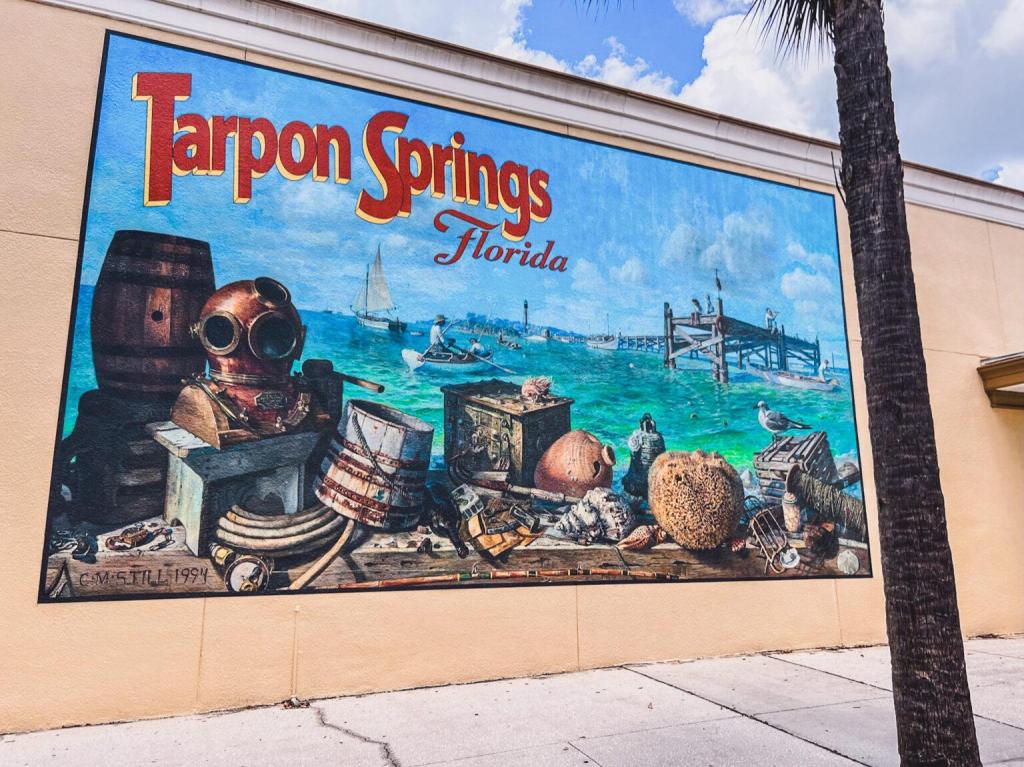
“This doesn’t feel like Florida…”
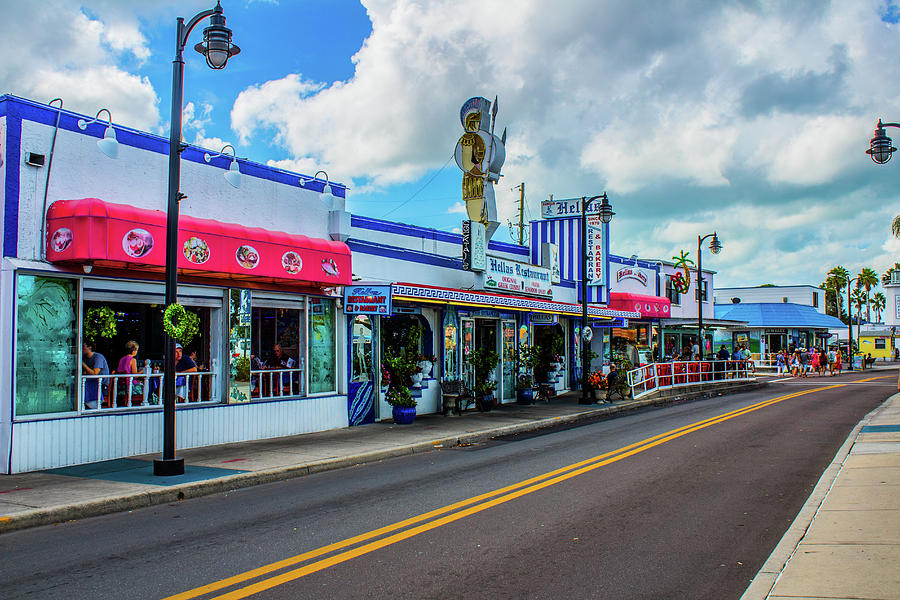
That was the first thought that hit me walking along the waterfront in Tarpon Springs.
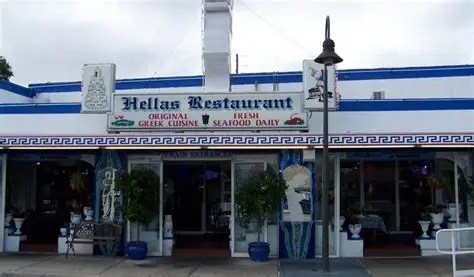
Boats rocking in the water… Greek flags waving in the breeze… bakeries filled with honey-soaked pastries…
For a second, it honestly felt like I stepped into another country.
But this is Florida—just not the version most people expect.
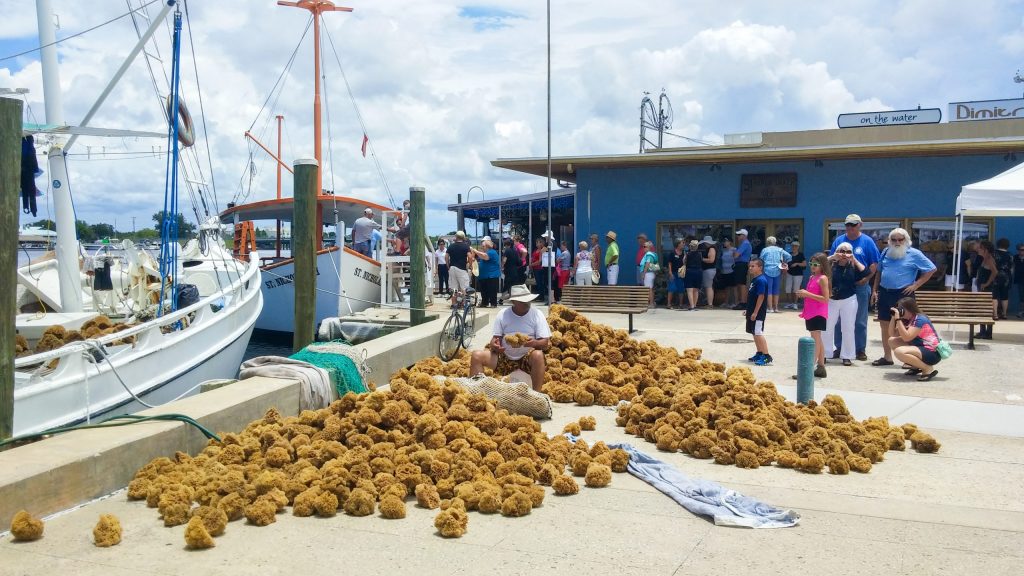
At first glance, Tarpon Springs feels like a laid-back coastal town. But there’s a deeper story here—one that goes back over a century.
In the early 1900s, this became the sponge capital of the world.
Greek divers were brought here because of their incredible deep-sea diving skills. They would head out into the Gulf of Mexico, diving for natural sea sponges—long before modern equipment made things easier.
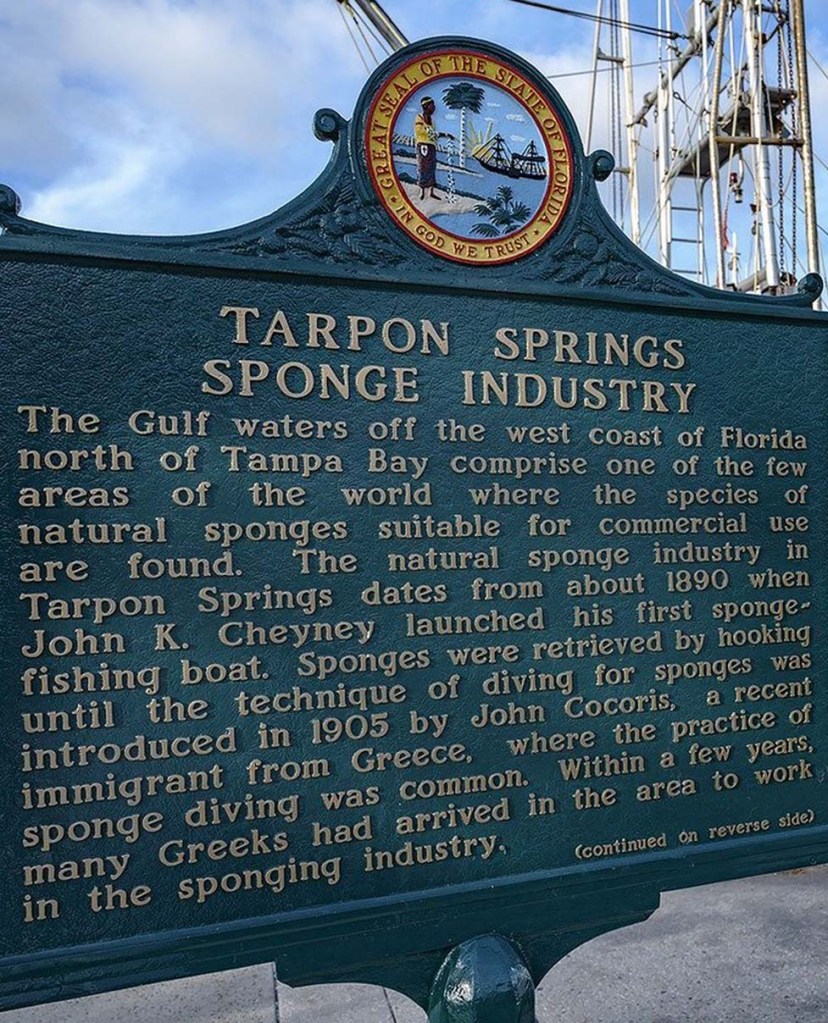
And this wasn’t easy work.
We’re talking long, dangerous dives… unpredictable conditions… all for something most of us casually use in the shower.
But those divers didn’t just build an industry.
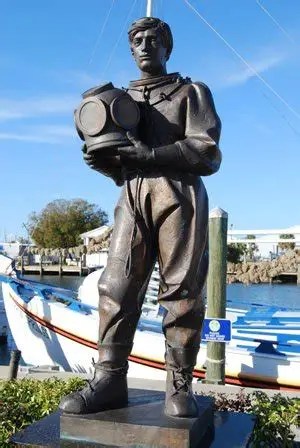
They built a community.
Over time, Tarpon Springs became home to one of the largest Greek communities in the United States—and you can feel that influence everywhere.
From the language you hear walking down the street…
to the music drifting through the air…
to the traditions that are still alive today…
This isn’t just a theme—it’s a way of life.
One of the most striking landmarks is St. Nicholas Greek Orthodox Cathedral, which stands as a centerpiece of the community and a reminder of the town’s deep cultural roots.
It’s the kind of place that makes you slow down and take it all in.
If you really want to feel the personality of Tarpon Springs, head straight to the sponge docks.
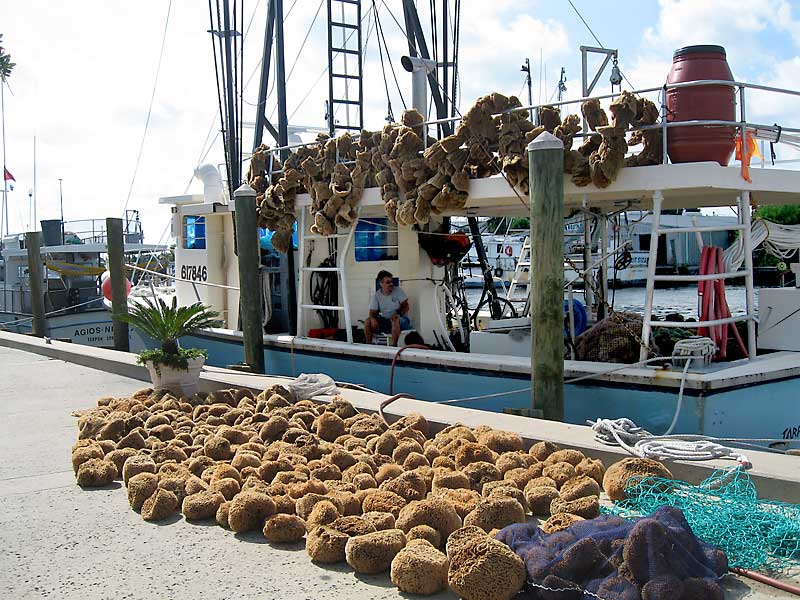
This is where everything comes together.
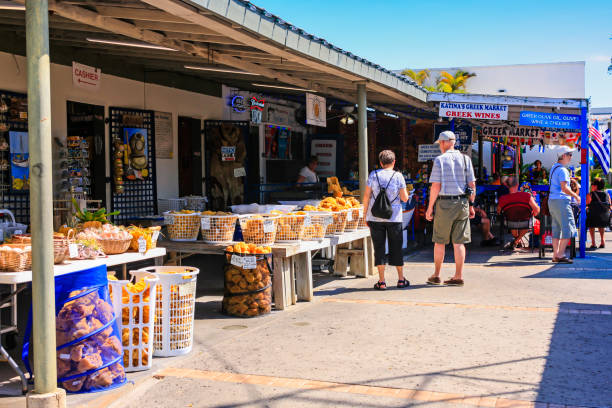
The waterfront is lined with family-owned shops—many of them passed down through generations—selling everything from natural sea sponges to imported Greek goods and handmade items you won’t find anywhere else.
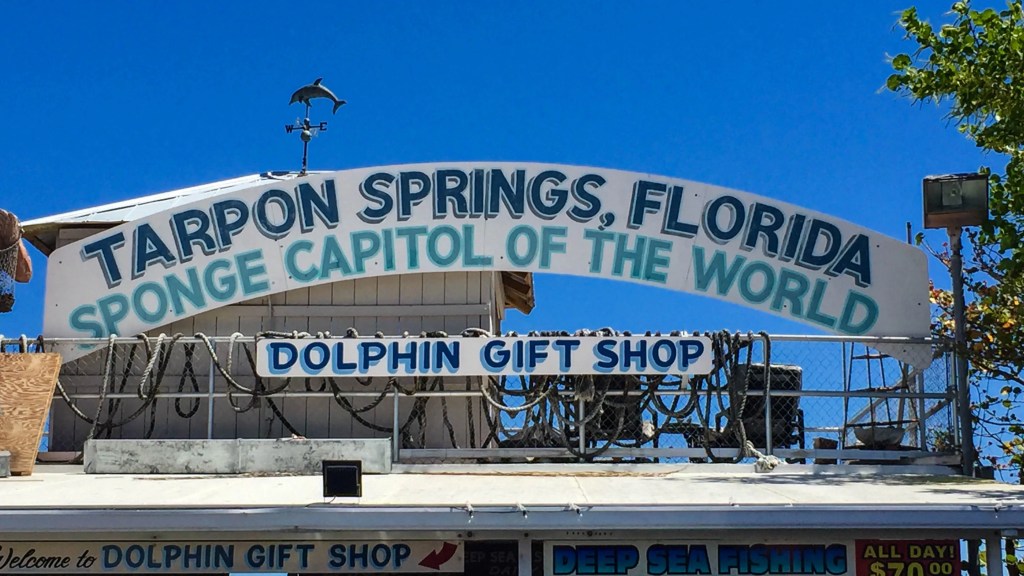
It’s not polished or commercialized in that big touristy way.
It’s authentic.
You can walk into a shop, pick up a sponge straight from the sea, and talk to someone whose family has been part of this tradition for decades.
That’s what makes this place different.
Now, this trip wasn’t supposed to be about food…
…but there’s one thing you absolutely cannot skip:
Baklava.
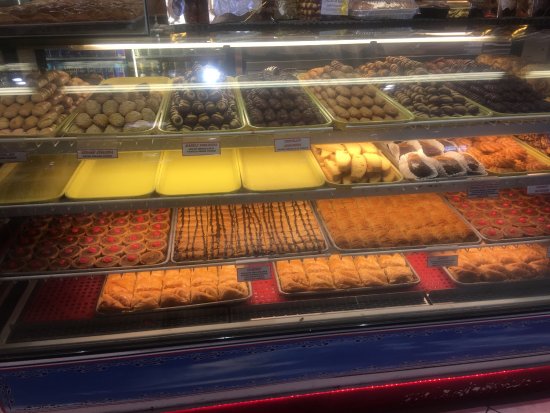
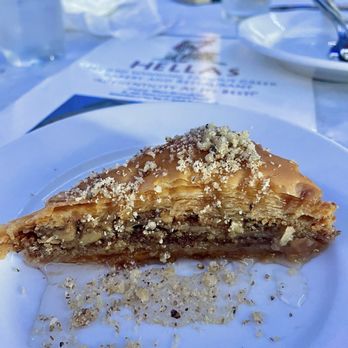
Layers of flaky pastry, honey, and nuts—sticky, sweet, and completely addictive.
And let me tell you…
Yeah… it’s worth the trip alone.
But honestly, it’s more than just the dessert.
Tarpon Springs is packed with incredible Greek restaurants, bakeries, and waterfront spots that make this place feel alive.
If you really want to understand Tarpon Springs, you have to start where the story began—the water.
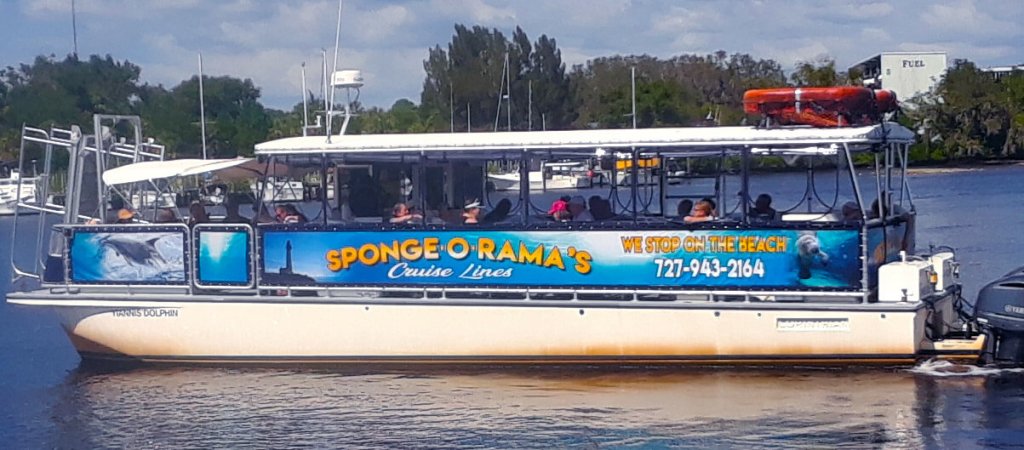
Boat tours take you out into the Gulf, where sponge divers once worked day in and day out… and in some cases, still do.
You’ll see the equipment, hear the stories, and get a real sense of what built this town from the ground up.
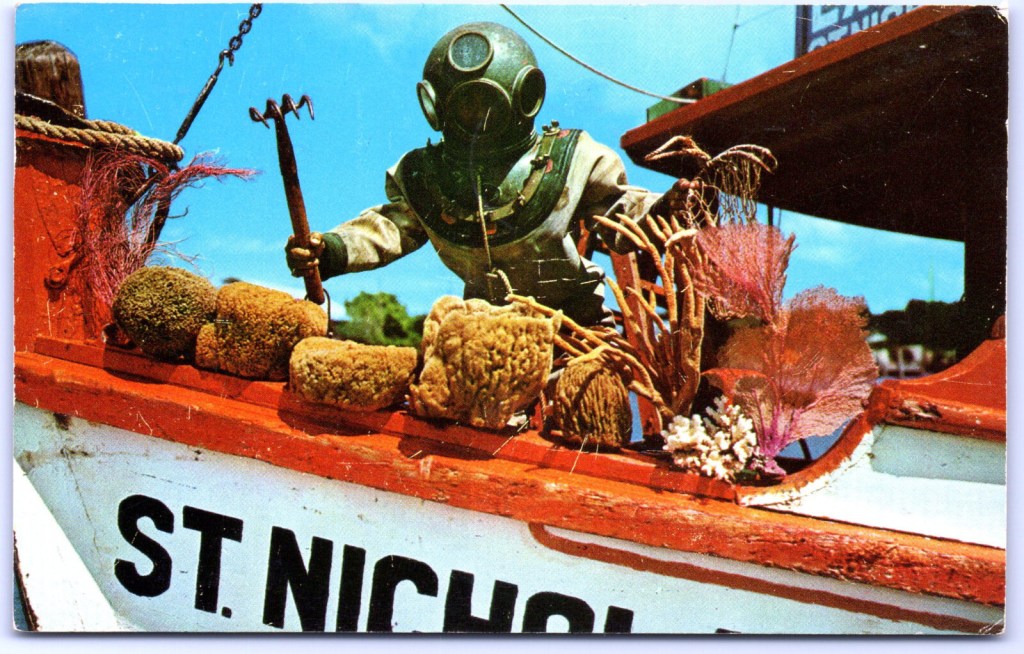
Back on land, the docks come alive with friendly faces, local shops, and that unmistakable sense of history blending into everyday life.
This isn’t just a place you visit.
It’s a place you experience.
Tarpon Springs is one of those places that completely catches you off guard.
It’s not just another Florida beach town.
It’s a story.
A culture.
A community that’s been built and preserved for generations.
And it’s a side of Florida that most people never see.
So if you’re looking for something different—
incredible Greek food, unique shops, and genuinely welcoming people—
This is your spot.
Take the trip.
Don’t rush it.
Take your time walking the sponge docks, step into the smaller shops, and talk to the owners—you’ll get stories you won’t find anywhere else.
And if you can, book a boat tour.
That’s where Tarpon Springs really comes to life.
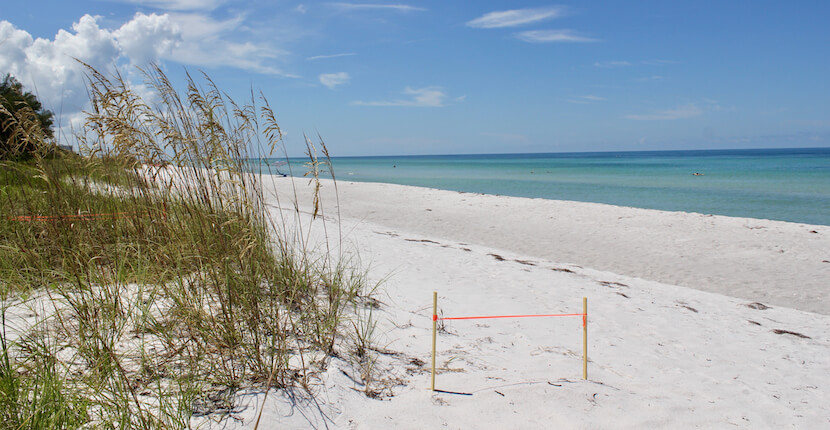
There are some places in Florida that feel like they belong on postcards… and then there are places that feel like they were never meant to be crowded in the first place. Longboat Key falls into the second category.
Just north of Sarasota, this stretch of coastline feels like a hidden escape compared to the busier, more energetic Florida beach towns. There are no towering boardwalks, no packed beach bars, and no loud crowds spilling onto the sand. Instead, you get peaceful neighborhoods, quiet condos tucked behind palm trees, and long, uninterrupted shoreline that seems to stretch forever.
From the moment you step onto the sand, the pace changes.
The noise fades. The rush slows down. And what’s left is something simple—but rare: space to breathe.
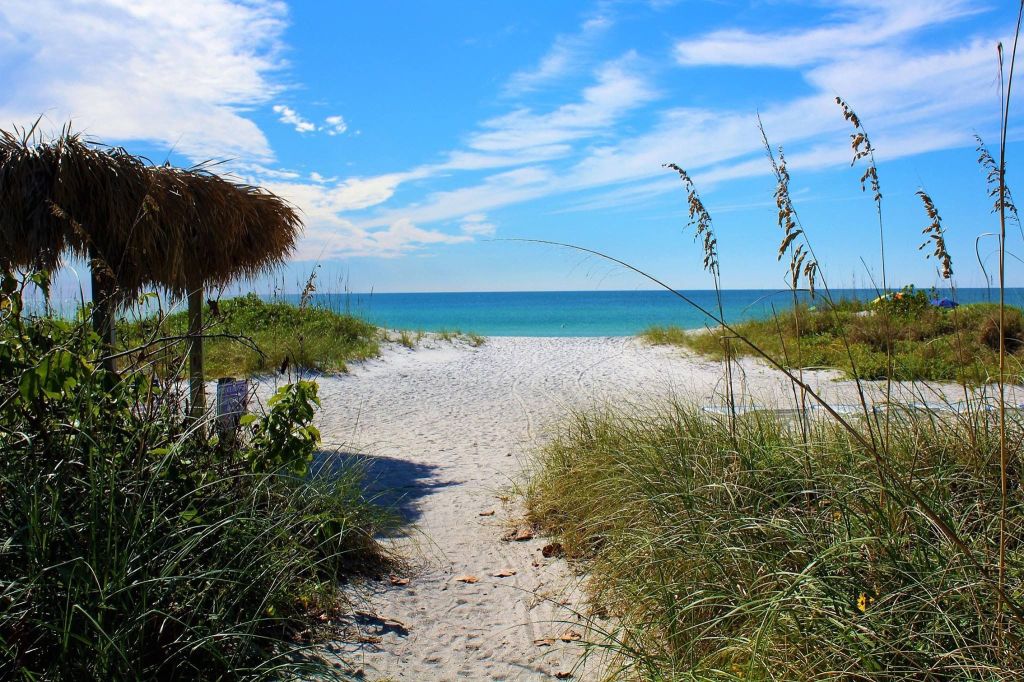
Some Florida beaches are all about energy—music, crowds, and constant movement. Longboat Key is the opposite of that.
It’s the kind of place where you can actually hear the waves rolling in. Where the biggest decision of the day might be whether to walk left or right along the shoreline. And where “busy” usually just means a few more footprints in the sand.
For anyone who loves the ocean, it hits differently. It’s not just a place to visit—it’s a place to reset.
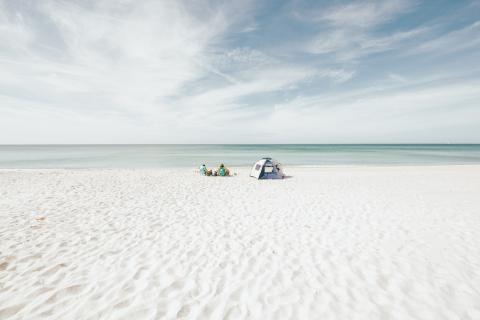
One of the first things you notice here is the sand. Florida is famous for its “sugar-white” beaches, but Longboat Key is a perfect example of it.
The sand is soft and powdery under your feet, made mostly of crushed quartz rather than coral. That’s what gives it that bright, almost glowing white color.
On hot days, it stays surprisingly cool. And when it’s especially dry, you might even notice something unusual—it can “squeak” as you walk. It’s one of those small details you don’t expect, but once you notice it, you can’t un-hear it.
Longboat Key feels different depending on when you visit.
In the morning, everything is calm. The water is smooth, the beach is quiet, and there’s a good chance of spotting dolphins just offshore if you’re lucky.
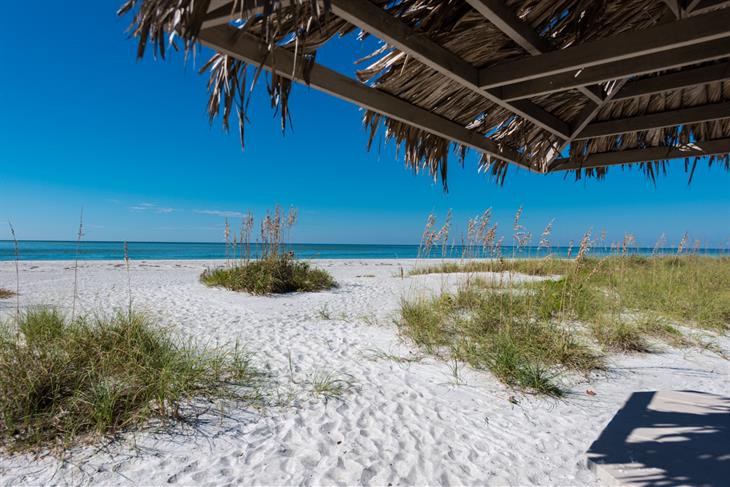
But the real transformation happens later in the day.
As evening approaches, the beach softens in color and energy. The crowds thin out even more, the air cools slightly, and the entire coastline starts to slow down with it.
Then comes sunset.
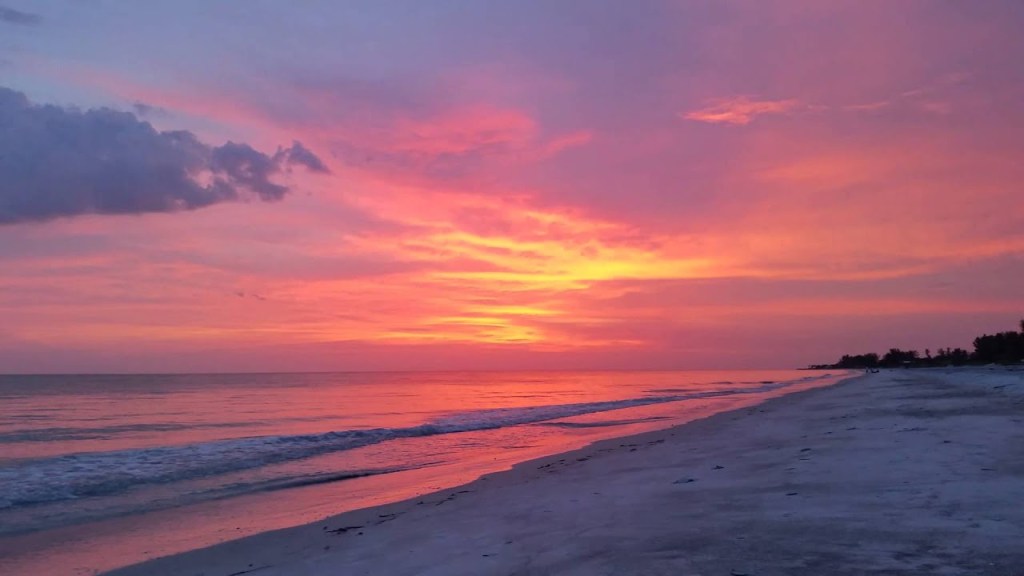
The sky shifts through layers of color—blue fading into orange, then pink, then deep purple—all reflecting across the Gulf. The waves seem to settle into a rhythm, and for a few minutes, everything feels still.
It’s the kind of moment that doesn’t fully translate through a camera. You just have to be there.
If there’s one takeaway from Longboat Key, it’s timing.
Midday can be bright and hot, but later in the afternoon is when the magic starts. The light improves, the temperature drops, and the beach becomes what it was always meant to be—quiet, open, and unhurried.
It’s not about doing a lot here. It’s about doing less.
Walking the shoreline. Sitting in the sand. Watching the water change with the sky.
Longboat Key isn’t trying to be a tourist destination. That’s exactly what makes it special.
It’s a reminder that not every beach needs to be loud to be memorable—and sometimes the most unforgettable places are the ones that feel like they were never fully found.
One of the biggest misconceptions about cruising is that it’s completely all-inclusive. You see the ads: endless buffets, beautiful ocean views, pools, shows, and tropical destinations. And while a lot is included in your cruise fare, there are definitely some extras that can sneak up on you if you’re not prepared.
If you’re planning your first cruise — or even if you’ve cruised before — here are 7 things that are usually NOT included on your cruise so you can budget ahead and avoid sticker shock at the end of your trip.
1. Alcoholic Drinks & Soda

While water, basic coffee, tea, lemonade, and some juices are usually included, alcoholic drinks and most sodas are not.
That fruity tropical cocktail by the pool?
The frozen margarita during sail away?
Those usually come with a price tag.
Many cruise lines offer drink packages, but they can cost anywhere from $60–$100+ per day per person depending on the cruise line and package.
If you plan to enjoy a few drinks every day, the package might be worth it. If you only drink occasionally, you may be better off paying as you go.
2. Specialty Restaurants
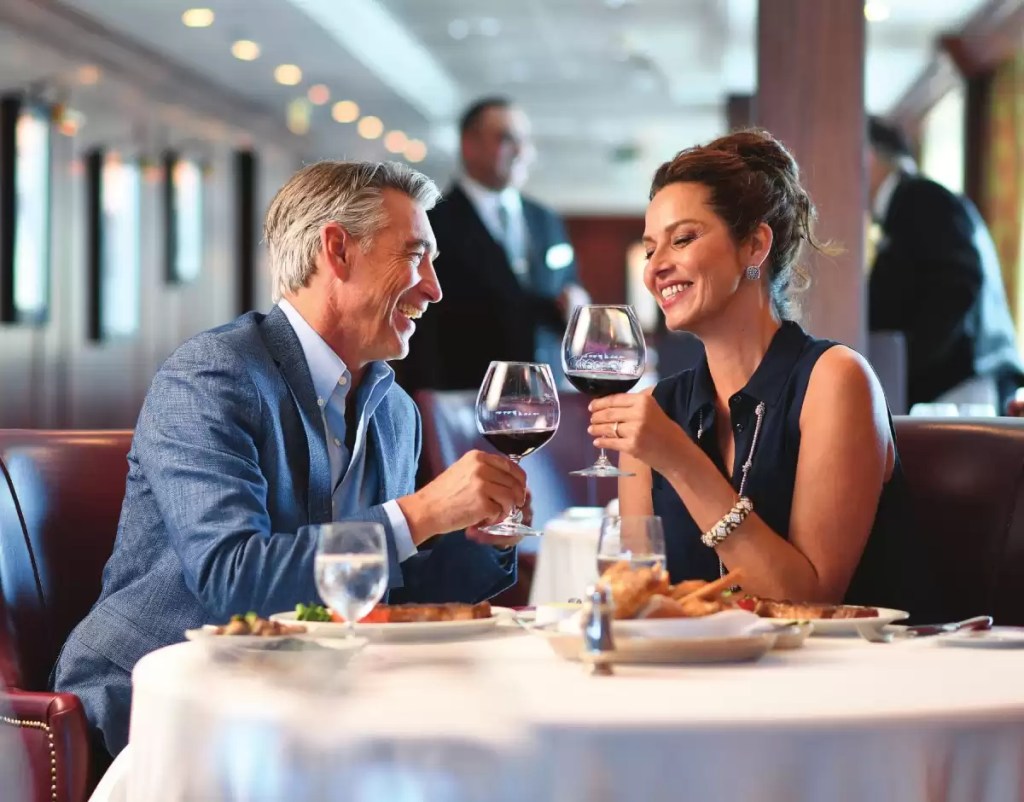
Cruise ships are packed with amazing dining options, and the main dining room and buffet are included in your cruise fare.
But many ships also feature specialty restaurants like:
Steakhouses Sushi bars Italian trattorias Teppanyaki grills
These restaurants often charge $20–$75 per person depending on the experience.
The good news? They can be incredible meals and are often worth it for a special night onboard.
3. Specialty Coffee & Sweet Treats
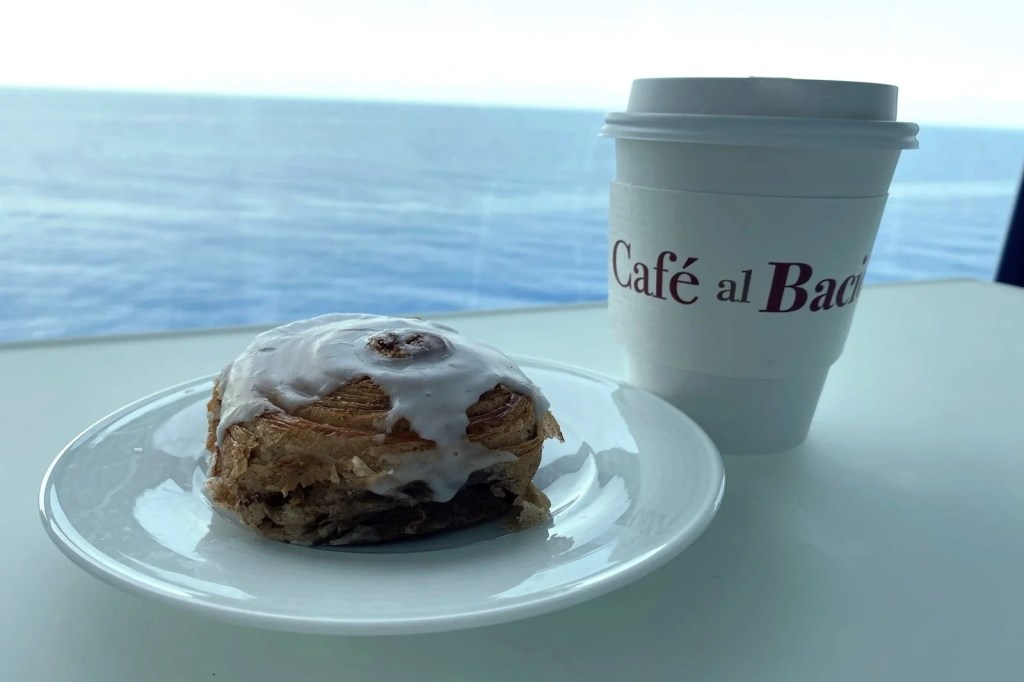
Your standard drip coffee is usually free, but if you’re craving:
Lattes Cappuccinos Frappes Fancy espresso drinks
You’ll usually find those in the specialty coffee shops onboard, and they come with an extra charge.
Same goes for certain dessert shops, gelato stands, or candy stores that many cruise ships now feature.
4. Shore Excursions
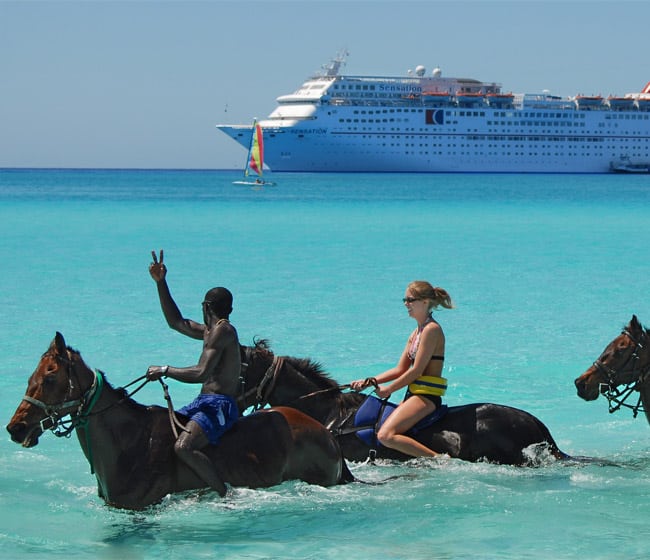
When your ship pulls into those beautiful ports, the adventures on land are typically not included.
Excursions might include things like:
Snorkeling trips Dolphin encounters Island tours Ziplining Food tours
Prices can range from $40 to several hundred dollars per person depending on the activity.
Pro tip: You can book excursions through the cruise line or independently through local tour operators.
5. Wi-Fi
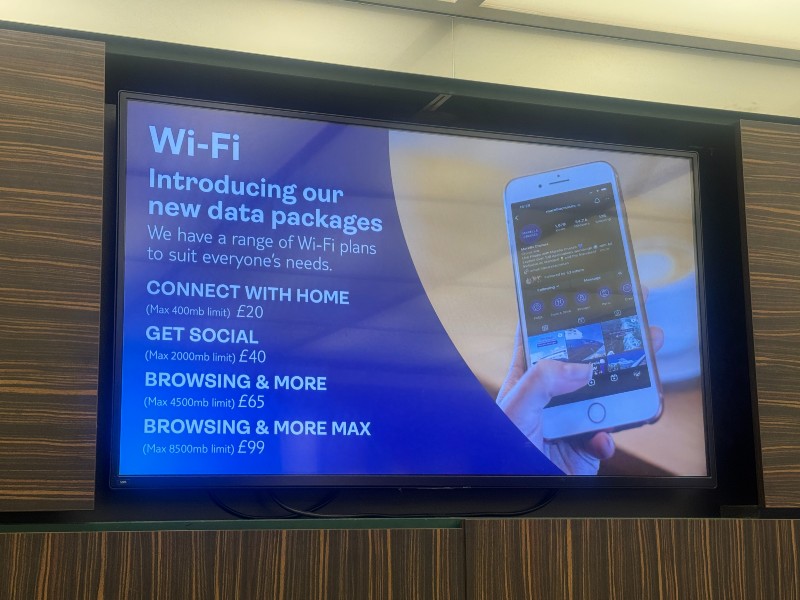
Want to post that sunset photo or check your email while at sea?
Internet access on cruise ships is almost always an extra charge.
Wi-Fi packages can range from $15 to $30 per day depending on speed and cruise line.
Some people choose to unplug completely while cruising — others want to stay connected — but it’s definitely something to plan for.
6. Spa Services
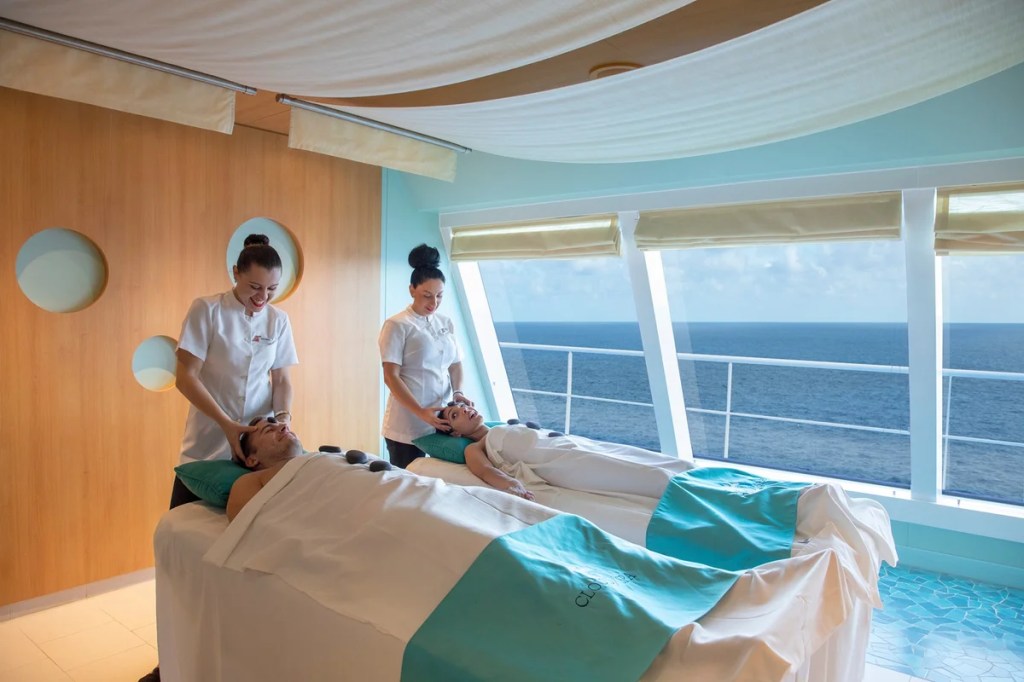
Most cruise ships have beautiful spas offering treatments like:
Massages Facials Acupuncture Thermal suites
But these are premium experiences and can be pretty pricey compared to land-based spas.
However, many ships offer port day specials or discounted packages, which can be a great way to treat yourself without spending as much.
7. Casino & Certain Onboard Activities
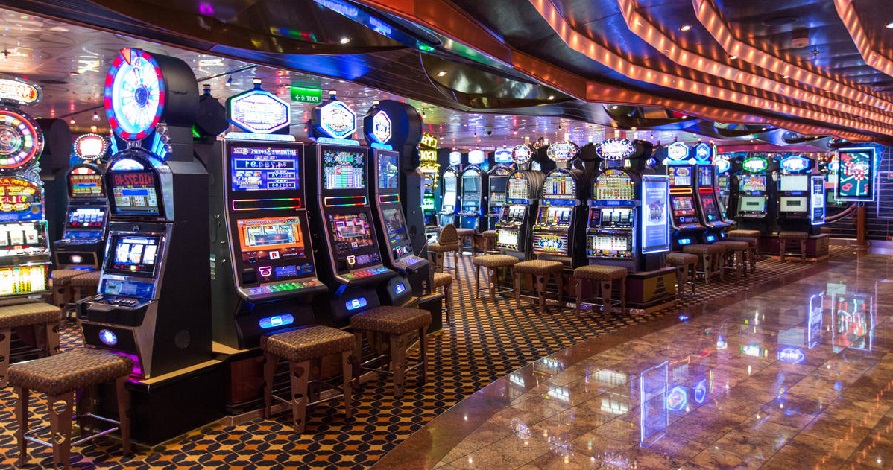
If your ship has a casino, just like on land, those games are not free.
Things like:
Slot machines Blackjack Poker tables
All require real money.
Some ships also charge for certain onboard experiences like:
Escape rooms VR simulators Go-kart tracks Cooking classes
Final Thoughts
Cruising can still be an amazing value for a vacation, especially when you consider that your fare includes:
✔ Your cabin
✔ Most meals
✔ Entertainment and shows
✔ Pools and activities
✔ Transportation between destinations
But knowing about these extra costs ahead of time helps you plan smarter and enjoy your cruise without worrying about the final bill.
Brian’s Tip
Before you board your cruise, check the cruise line’s app or website and look at the add-ons ahead of time. Many packages — like drink packages, Wi-Fi, and specialty dining — are often cheaper if you purchase them before the cruise instead of onboard.
A little planning can save you a lot of money… and leave you with more to spend on those sunset cocktails by the pool.
I wanted to take a moment to check in and apologize for the lack of blog posts lately. If you’ve been following along, you probably noticed things have been a little quiet here—and there’s a good reason for that.
I’ve been out doing what I love most… traveling, exploring new places, and creating content for my YouTube and TikTok channels. When you’re juggling multiple platforms, sometimes one gets a little more attention while another takes a back seat—and unfortunately, the blog ended up being that one for a bit.
But don’t worry—this isn’t a goodbye, it’s just a brief pause.
I’ve got plenty of new travel tips, adventures, and stories coming your way soon. From great eats to hidden gems and everything in between, there’s a lot I can’t wait to share with you right here on the blog.
So hang tight, keep checking back, and get ready for more “Take The Trip by Brian” content coming soon.
Thanks for sticking with me—I appreciate it more than you know.

—Brian
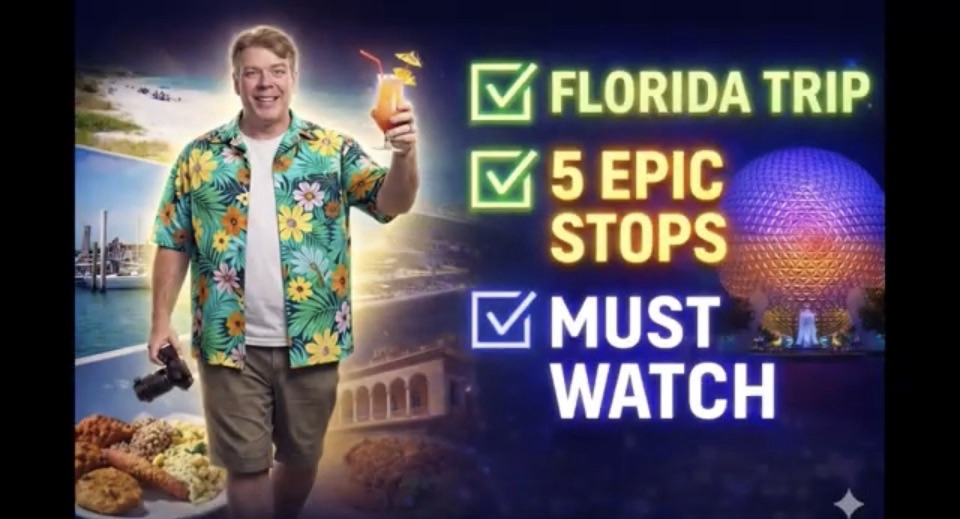
I just dropped a brand new travel series and trust me… this one’s a ride.
We’re going off the beaten path to a beach most people don’t even talk about… 👀 stop # 1
Stepping inside a jaw-dropping mansion packed with art AND circus history 🎪 stop # 2
Exploring a Greek village where sponges still rule the day 🇬🇷 stop # 3
Checking out the vibe at St. John’s Pass — hidden gem or total tourist trap? 🤔 stop #4
And then… I take on the ultimate challenge: Drinking Around the World at EPCOT 🌎🍻 finally stop #5
Every stop has a story… and a few surprises along the way.
Go check it out and tell me — which stop would YOU want to visit first?
🎥 Watch now and come take the trip with me!
#TakeTheTripByBrian, #TravelSeries, #HiddenGems, #FloridaTravel, #EPCOT, #FoodAndTravel, #BeachVibes, #AdventureAwaits
Link to my page under videos check out my travel series that starts with one Florida trip 5 epic stops. I have posted the introduction one, stop one and stop 2 stop 3 drops soon