
youtube.com/channel/UCkI0gW7rCYGki52Il45yRtA
QR Code or link to my YouTube Channel Take the Trip by Brian
No comments on My YouTube Channel check it out!
youtube.com/channel/UCkI0gW7rCYGki52Il45yRtA
QR Code or link to my YouTube Channel Take the Trip by Brian
Planning a family reunion is never easy. Planning one where everyone actually enjoys themselves? That’s the real challenge.
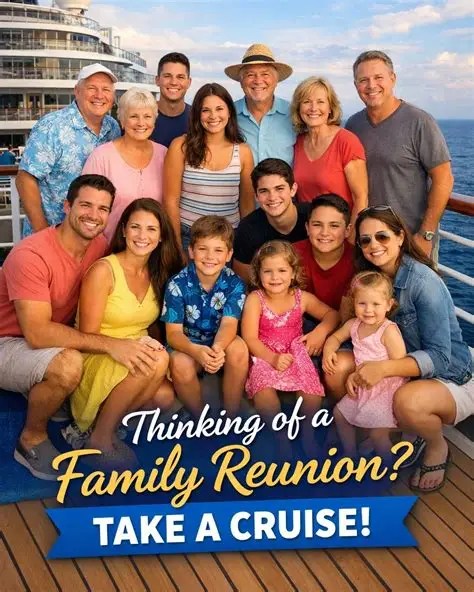
That’s where a cruise ship shines. A cruise takes care of lodging, food, entertainment, and transportation—all in one place—making it one of the easiest and most enjoyable ways to bring family together, no matter where everyone lives.
Here’s how to plan a family reunion cruise that works for everyone.
Choose a Cruise That’s Easy for Everyone
The key to a successful reunion cruise starts with accessibility.
Look for:
A departure port with affordable flights or easy driving access Shorter itineraries (3–5 nights are ideal for first-timers) A cruise line that caters to all ages
Ports like Miami, Port Canaveral, Tampa, and Galveston are popular because they’re easy to reach and offer plenty of sailing options.
Pick the Right Ship (Not Just the Right Destination)
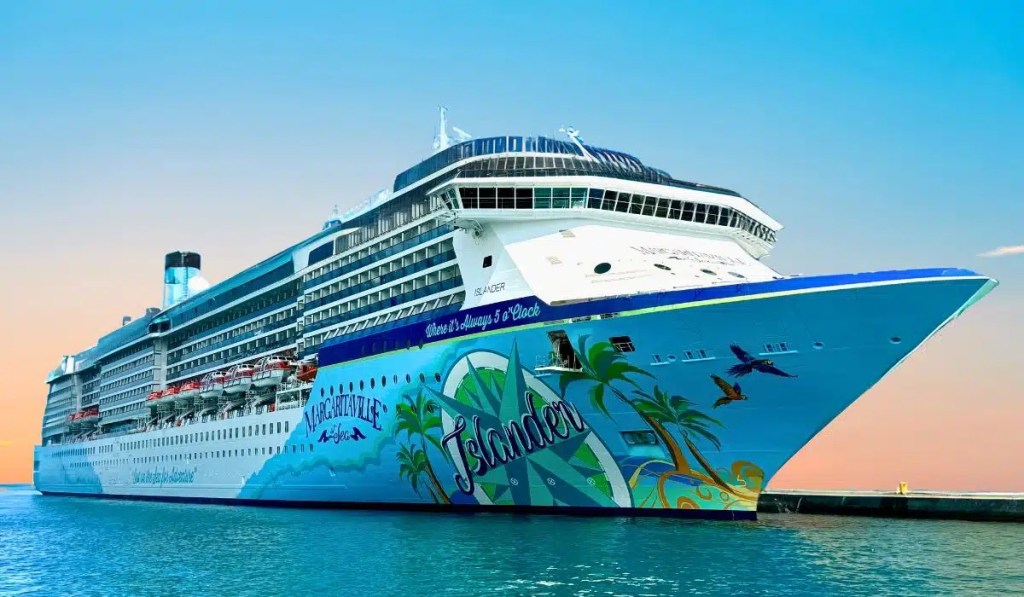
When it comes to family reunions, the ship matters more than the ports.
Choose a ship with:
Multiple dining options Pools, shows, and activities for all ages Kids’ clubs and adult-only spaces Plenty of public areas for casual meetups
You want everyone—from toddlers to grandparents—to find something they love.
Book Early and Use Group Rates
Most cruise lines offer group pricing and perks when you book multiple cabins.
Booking as a group can mean:
Locked-in pricing Onboard credit or perks Dining together Easier coordination
Working with a travel advisor who handles cruise groups can make this process seamless and take the stress off your plate.
Plan a Few Group Moments (Not the Whole Cruise)
One of the best parts of a cruise reunion is flexibility.
Plan:
A welcome meet-up on embarkation day One group dinner or celebration A group photo session
Leave the rest open. Some family members will want nonstop activities, others will prefer pool time or quiet mornings. A cruise allows everyone to vacation their own way—together.
Make Dining Easy and Inclusive
Food is one thing cruises do exceptionally well.
To keep everyone happy:
Request group dining times Use specialty restaurants for one memorable night Take advantage of casual options for informal gatherings
With endless choices, even picky eaters and special diets are covered.
Consider Shore Excursions Carefully
Not everyone will want the same excursions—and that’s okay.
Offer:
One optional group excursion Suggestions for independent exploring Plenty of onboard alternatives
Sometimes the best reunion moments happen on deck, not on shore.
Communicate Clearly and Often
Clear communication keeps the reunion stress-free.
Share:
Booking deadlines Important documents and passport requirements Group meet-up times
A group chat or shared document works wonders for keeping everyone informed.
Expect Fun, Not Perfection
Someone will miss a show. Someone will sleep through breakfast. Someone will skip the excursion.
And that’s perfectly fine.
A family reunion cruise isn’t about sticking to a schedule—it’s about shared experiences, laughter, and memories made while sailing together.
Brian’s Tip
Choose a ship with plenty of sea days. Those relaxed days at sea are often when the best family memories are made—coffee on deck, spontaneous games, and conversations that don’t feel rushed.
A cruise ship turns the challenge of planning a family reunion into something surprisingly simple—and incredibly memorable.
Until the next adventure, this is Take The Trip by Brian—because the best reunions happen when the journey is part of the destination.
August 6, 2026
Uncategorized
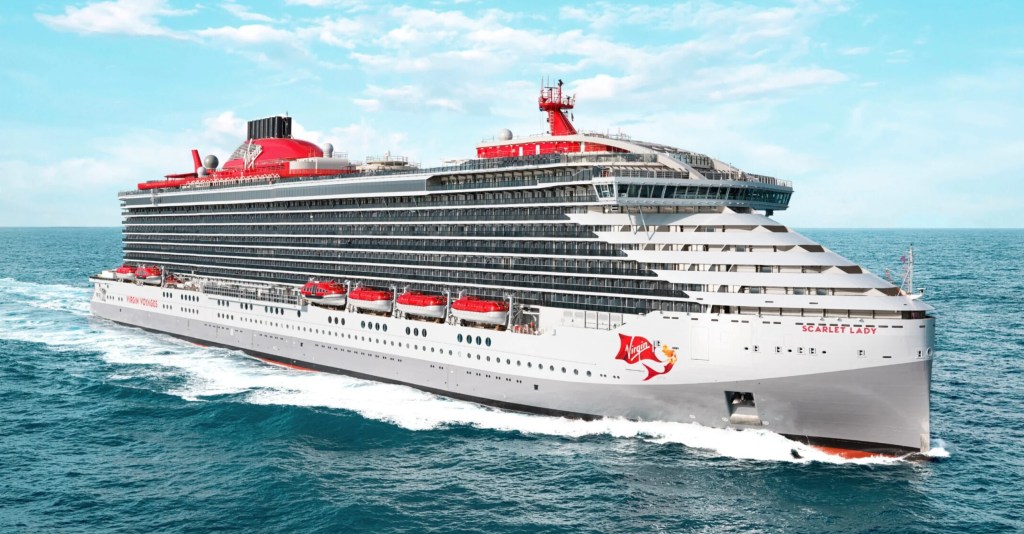
One of the biggest misconceptions about cruising is that everything beyond your cruise fare costs extra. While there are certainly plenty of optional purchases onboard, there are also several complimentary items and services that many passengers never take advantage of—simply because they don’t know they’re available.
The best part? All you have to do is ask.
Here are five free things your cabin steward may be able to provide during your next cruise.
If your mattress feels a little too firm or you’d like a more comfortable night’s sleep, ask your cabin steward if mattress toppers are available. Many cruise lines also offer extra pillows or different pillow types upon request.
A simple request can make a big difference, especially on a week-long cruise.
If your stateroom feels a little warm or stuffy, some cruise ships have small fans that guests can borrow.
These are usually available in limited quantities, so it’s a good idea to ask as soon as you board. While not every ship offers them, it never hurts to check.
Depending on the cruise line, you may be able to request a kettle, coffee maker, or additional coffee and tea supplies for your cabin.
Imagine enjoying your first cup of coffee while watching the sunrise from your balcony—it’s one of the best ways to start a sea day.
Your cabin steward is happy to help make your stay more comfortable.
Need fresh towels after a trip to the pool? Want your ice bucket kept full each day? Prefer an extra blanket for sleeping? Just ask.
These are simple requests that most stewards are happy to accommodate.
Cruise cabins aren’t known for having lots of storage space.
If you’re traveling with extra clothes, ask for additional hangers. If you’re sailing with family or friends, your steward can often separate the beds or rearrange the cabin configuration to make the room work better for your group.
One of the best-kept secrets about cruising is that the crew genuinely wants you to have a great vacation. While not every request can be granted, many complimentary items are available—you just have to know to ask.
A polite request and a smile can go a long way.
As soon as you board the ship, introduce yourself to your cabin steward and let them know if there’s anything that would make your stay more comfortable. Building that friendly relationship early can make your cruise even more enjoyable.
Until next time…
The world’s a big place… don’t just dream about it—go see it! I’m Brian, and until next time, Take The Trip!
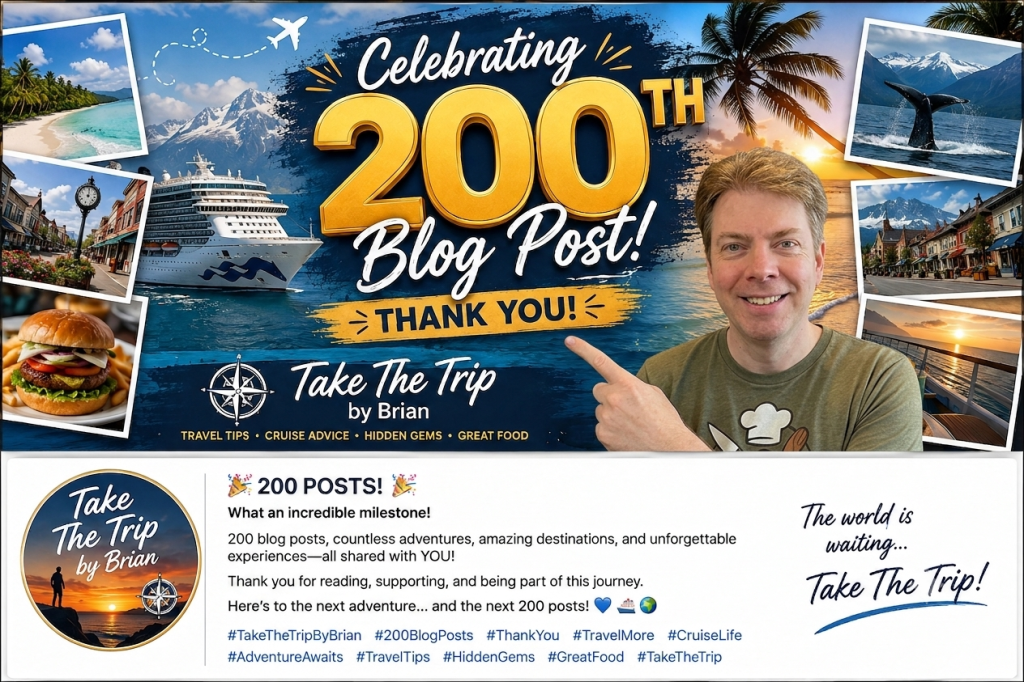
When I published my very first post on Take The Trip by Brian, I never imagined I’d one day be writing my 200th blog post.
What started as a simple idea—to share travel experiences, cruise tips, hidden gems, and great places to eat—has grown into something I truly enjoy. Every article has been another opportunity to help someone plan a vacation, discover a new destination, or find a restaurant worth visiting.
Over these past 200 posts, we’ve explored cruise ships, wandered through small towns, discovered incredible bakeries, enjoyed unforgettable meals, and shared countless travel tips. From the beaches of Florida to upcoming adventures in Alaska, every destination has added another chapter to this journey.
One of the things I’ve enjoyed most is hearing from readers who tell me that a blog post helped them plan their vacation, gave them confidence before their first cruise, or inspired them to visit a place they had never considered. Knowing these stories have helped others makes every hour of writing worthwhile.
This milestone also reminds me that travel isn’t always about going farther—it’s about experiencing more. Some of my favorite memories have come from places just a short drive from home, while others have come from standing on the deck of a cruise ship watching the sun disappear over the horizon.
The journey has also expanded beyond this blog. Through my YouTube channels and social media, I’ve had the opportunity to share restaurant reviews, cruise advice, and Buckeye traditions with an amazing community of people who enjoy many of the same things I do.
As I look ahead, there are plenty more adventures waiting. You’ll find more cruise tips, restaurant reviews, hidden attractions, weekend getaways, travel hacks, and behind-the-scenes stories from the road. I’m especially excited to share my upcoming Alaska cruise and all the experiences that come with it.
To everyone who has read a post, watched a video, shared an article, or left a comment—thank you. Your support means more than you know. Every click, every share, and every encouraging word motivates me to keep creating.
So here’s to the next adventure… and the next 200 posts.
The world is full of places waiting to be explored, amazing meals waiting to be tasted, and memories waiting to be made.
I’m glad you’re along for the journey.
Brian’s Tip: Don’t wait for the “perfect” time to travel. Whether it’s a weekend road trip, a cruise, or simply exploring your own hometown, some of life’s best memories begin with the decision to just go.
Thank you for being part of Take The Trip by Brian.
One of my favorite parts of traveling has always been the food.
Before I became a travel creator, I spent years in the kitchen as a chef. That experience changed the way I look at restaurants. When I travel, I’m not just looking for a meal—I’m looking for a story, a connection, and a taste of the place I’m visiting.
The truth is, some of the best meals you’ll ever have won’t be found in the biggest tourist areas or the restaurants with the flashiest signs.
They’re usually found where the locals are eating.
Here are my chef tips for finding great food wherever your travels take you.
The easiest way to spot a tourist trap?
Look at the location.
Restaurants directly next to major attractions, famous landmarks, or busy cruise ports often rely on convenience instead of quality.
That doesn’t mean every restaurant in a tourist area is bad, but you need to do a little more research.
My favorite trick is simple: walk a few blocks away.
Many times, that’s where you’ll find better prices, better food, and a more authentic experience.
As a chef, I’ve learned that great food doesn’t need to shout. It lets the flavors speak for themselves.
A menu can tell you a lot about a restaurant before you ever order.
One of the biggest red flags? A menu that tries to serve everything.
If a restaurant has Italian pasta, Mexican tacos, sushi, burgers, seafood, and steaks all on the same page, I start asking questions.
Great restaurants usually focus on what they do best.
I also look for local specialties. If I’m visiting a coastal town, I want to see fresh seafood. If I’m in an area known for barbecue, I want to try their specialty.
The best restaurants celebrate where they are.
Locals know the places that tourists miss.
I always look for restaurants that are busy with people who actually live there—not just visitors taking pictures.
A packed dining room is usually a good sign.
I also pay attention to what people are ordering. If everyone at the table is enjoying the same local dish, there’s probably a reason.
Sometimes the best recommendation comes from watching, not searching.
One of the best travel tips I can give you is this:
Ask questions.
Talk to your hotel front desk staff. Ask a bartender. Chat with a shop owner. Ask someone where they would take their family for dinner.
Don’t ask, “What’s the best restaurant for tourists?”
Ask, “Where do you go when you want a great meal?”
That one question can lead you to places you would never find on your own.
Travel is about experiences.
Some of my favorite meals have come from ordering something I couldn’t pronounce or trying a dish I had never heard of.
You don’t have to love everything you try, but you’ll remember the experience.
Food has a way of connecting us to a destination in a way pictures never can.
When you walk into a restaurant, pay attention.
Does it smell good? Is the staff welcoming? Does the food coming out of the kitchen look fresh?
Your instincts can tell you a lot.
After years in the food industry, I’ve learned that the little details matter.
Clean tables, a passionate staff, and a focused menu usually mean good things are happening in the kitchen.
Finding great food while traveling isn’t about finding the most expensive restaurant or the one with the most online reviews.
It’s about curiosity.
Explore. Ask questions. Try something new.
The best meals often become the stories you tell long after the trip is over.
Never choose your restaurant just because it’s the closest one to a famous attraction. Walk a little farther, talk to a local, and you might discover the meal you’ll remember forever.
The world’s a big place… don’t just dream about it — go see it!
I’m Brian… and until next time, Take The Trip!
After years of traveling, I’ve learned one important lesson: the price you see first is rarely the price you have to pay.
Travel doesn’t have to be expensive if you know where to look, when to book, and how to find the hidden deals.
I’m not talking about sacrificing quality or staying somewhere you don’t enjoy. I’m talking about being a smarter traveler.
Here are the things I almost never pay full price for.
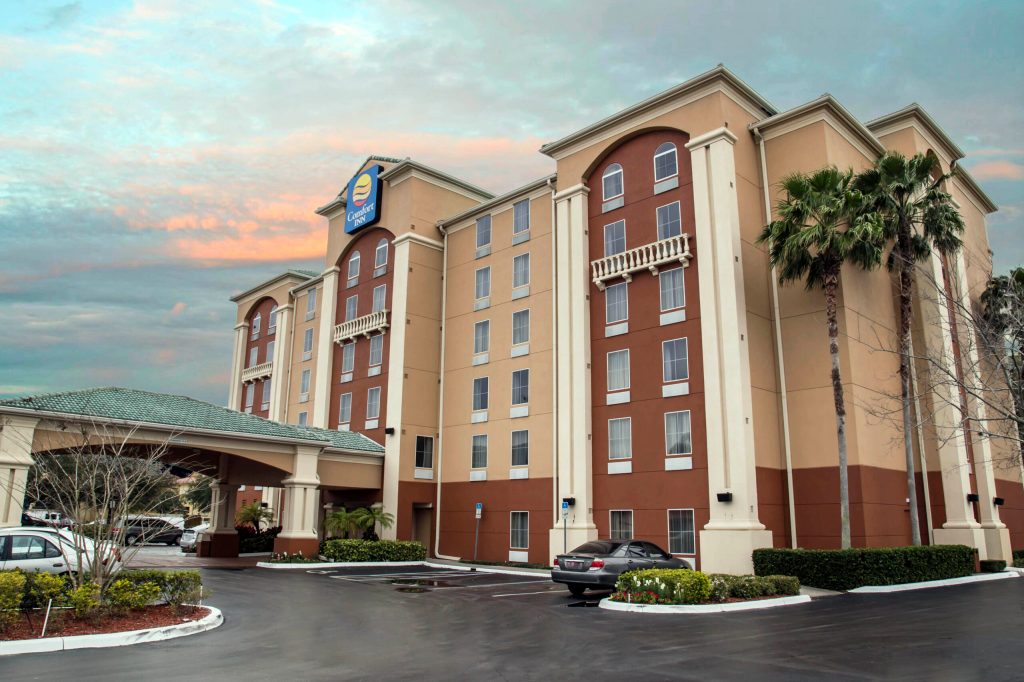
Hotels are one of the easiest places to save money.
Before booking, I compare prices, check the hotel’s own website, and look for special offers, loyalty programs, or package deals.
Sometimes booking directly with the hotel can include perks like free breakfast, parking, upgrades, or flexible cancellation.
Another trick? Don’t be afraid to ask.
A simple question at check-in like, “Are there any complimentary upgrades available today?” can sometimes lead to a better room or a nicer view.
The worst they can say is no.
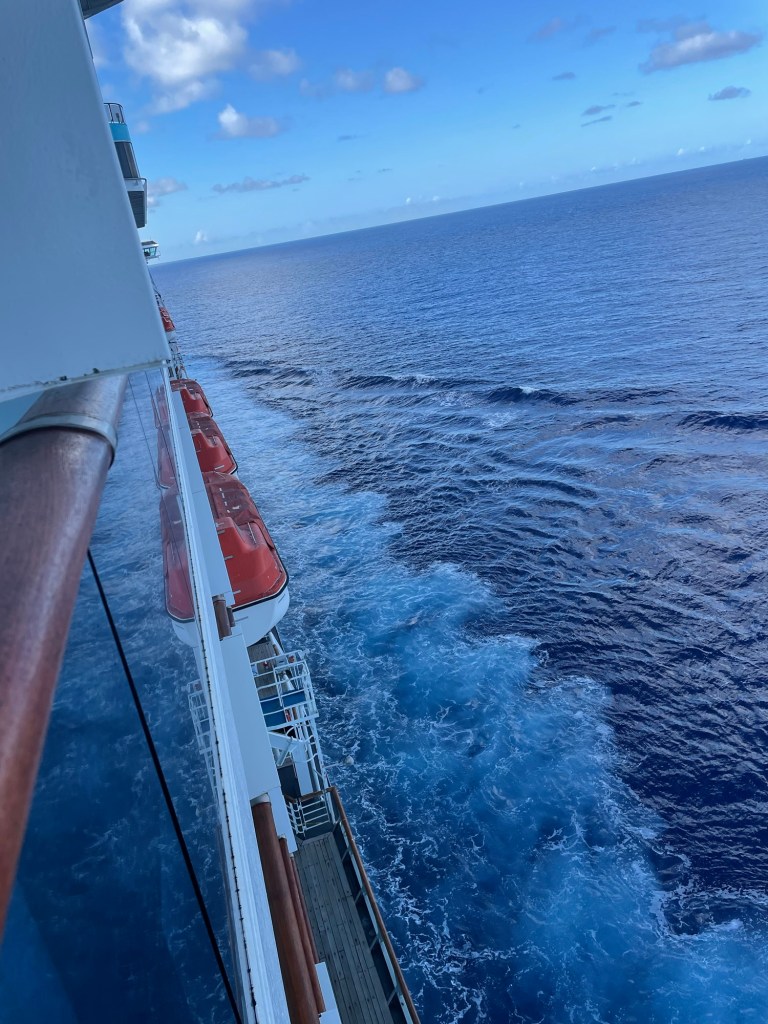
Cruising is one of my favorite ways to travel, but the first price you see isn’t always the final deal.
I watch for promotions, onboard credits, package deals, and special offers.
Timing matters too. Cruise lines often adjust pricing based on demand, so being flexible with your dates can save you a lot.
Also, don’t just look at the cruise fare. Consider what’s included.
Sometimes a slightly higher fare with perks like drinks, Wi-Fi, specialty dining, or credits can actually be the better value.
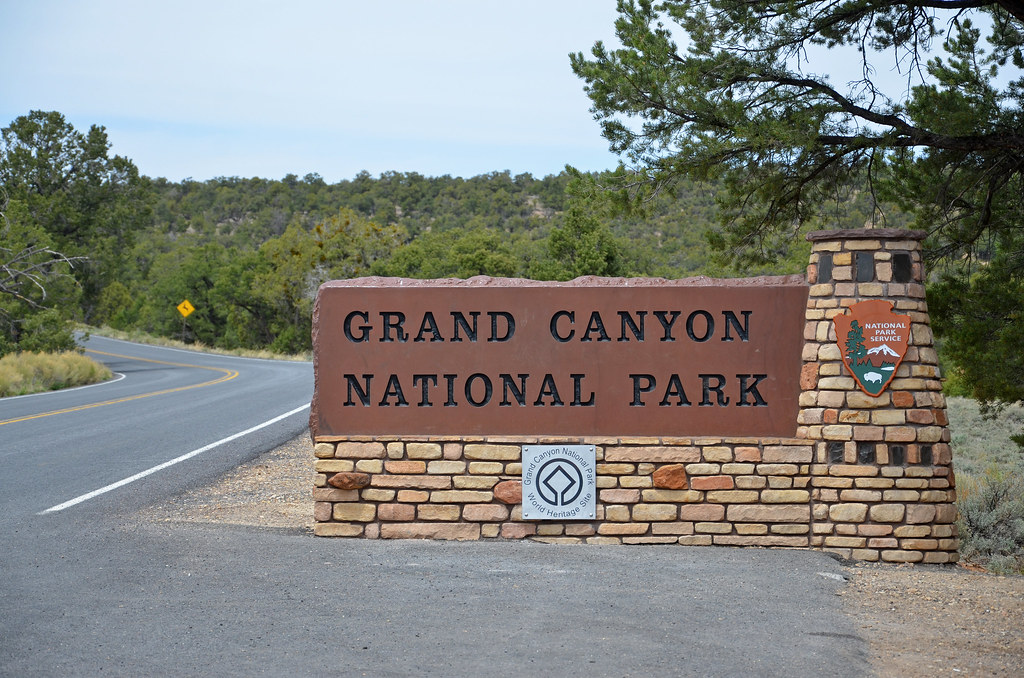
Many travelers walk right up to the entrance and pay full price.
Before visiting an attraction, I always check for discounts.
Look for city passes, online specials, combination tickets, military discounts, senior discounts, AAA discounts, or off-peak pricing.
Many attractions offer better prices when you purchase ahead of time instead of waiting until you arrive.
A few minutes of research can save you money.
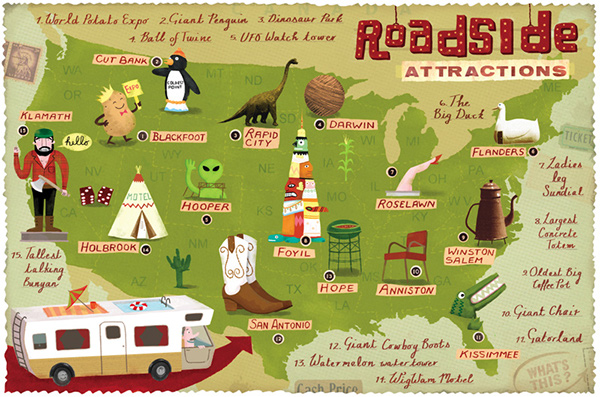
Rental cars can be tricky because the advertised price is often just the beginning.
Before booking, I compare companies, check different pickup locations, and avoid unnecessary extras.
One of the biggest mistakes travelers make is adding every option at the counter.
Insurance, fuel packages, upgrades, and extras can quickly turn a good deal into an expensive rental.
Know what you already have covered before you arrive.
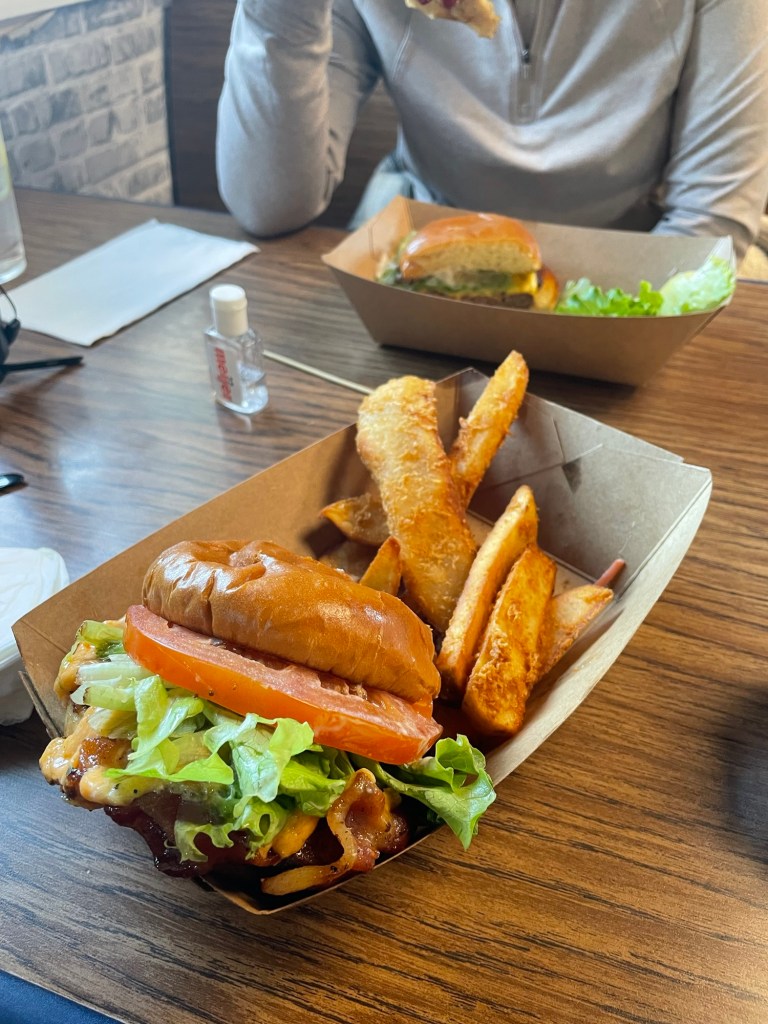
Food is one of my favorite parts of travel, and as a former chef, I’ve learned that expensive doesn’t always mean better.
I rarely pay premium prices just because a restaurant is next to a major attraction or has the best view.
Instead, I walk a few blocks away and look where locals are eating.
That’s often where you’ll find better food, better prices, and a more authentic experience.
Some of my best meals while traveling have come from places I almost walked right past.
Saving money while traveling doesn’t mean being cheap.
It means making choices.
I’d rather save money on a hotel room and use that money for an amazing experience. I’d rather find a dining deal and use the savings toward my next adventure.
The goal isn’t to spend the least.
The goal is to get the most value.
Before you book anything, take five extra minutes to search for deals, compare options, and ask questions.
That little bit of effort can turn into big savings—and more money for your next adventure.
The world’s a big place… don’t just dream about it — go see it!
I’m Brian… and until next time, Take The Trip!
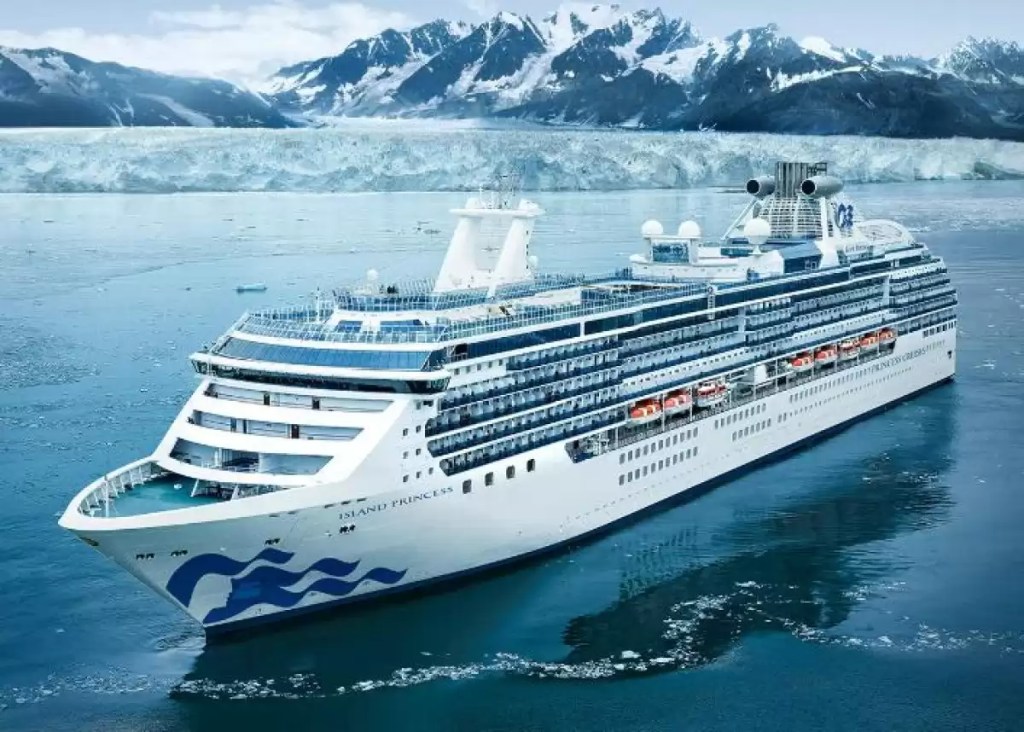
If you’ve ever been on a cruise, you’ve probably eaten at the buffet. Some people love it. Others avoid it altogether. As someone who spent years as a chef before retiring, I couldn’t resist looking at the cruise buffet through a different lens.
Instead of asking, “Is this good?” I found myself asking, “How is this prepared? How fresh is it? Is the kitchen doing the little things right?”
Here’s what I learned.
One of the first things I notice is cleanliness.
Are serving utensils being changed regularly? Are employees keeping the stations clean? Is food being replenished often instead of piled high in oversized trays?
The best cruise buffets keep smaller amounts of food on display and refill them frequently. That usually means the food spends less time sitting under heat lamps and stays fresher.
Most people walk into a buffet and head straight for pizza, burgers, or the carving station.
I do the opposite.
I head for the vegetables.
Perfectly cooked vegetables tell me a lot about the kitchen. If they’re bright, fresh, and not overcooked, chances are the chefs are paying attention to quality throughout the buffet.
I also check the soups. Soup is one of the easiest dishes to judge because it reveals balance, seasoning, and consistency.
One of the biggest mistakes passengers make is arriving right when the buffet opens—or an hour after the rush.
The sweet spot is usually about 20 to 30 minutes after opening.
By then, the kitchen has settled into its rhythm, every station is open, and the busiest crowds have started moving through. You get fresher food without standing in long lines.
If your schedule allows, eating a little earlier or later than the peak lunch and dinner times can also make a huge difference.
As a chef, I love trying foods I don’t normally make at home.
Cruise lines often serve dishes inspired by the ports they visit or cuisines from around the world. While not every dish is perfectly authentic, many are surprisingly well prepared and offer a fun way to try something new.
Some of my favorite buffet discoveries have come from stations I almost walked past.
Desserts reveal a lot about a pastry team.
Fresh mousses, cheesecakes, breads, and pastries require skill and attention to detail. If the desserts taste fresh instead of overly sweet or artificial, it’s usually a good sign the bakery team takes pride in its work.
And yes… I almost always save room for dessert.
In my experience, absolutely.
Will every item be five-star restaurant quality? Of course not.
But considering cruise ships prepare thousands of meals every single day while sailing across the ocean, it’s honestly impressive what they’re able to accomplish.
The secret isn’t trying everything.
It’s choosing wisely, eating when the food is at its freshest, and being willing to explore beyond the most popular stations.
You might be surprised by what you discover.
Before filling your plate, take one complete walk around the buffet. See everything that’s available first, then go back and choose your favorites. You’ll make better choices, waste less food, and almost always enjoy your meal a lot more.
Until next time…
The world’s a big place… don’t just dream about it—go see it!
I’m Brian… and until next time, Take The Trip!
I’ve always believed that a journey is about much more than the miles you travel.
It’s about the people you meet, the stories you collect, the meals you remember, and the moments that make you stop and think, “I’m glad I was here.”
After 60 years of life, I’ve learned that travel isn’t just about seeing new places. It’s about seeing the world — and maybe even yourself — a little differently.
When I was younger, I thought travel was about destinations. The bigger the adventure, the better. The farther away, the more exciting. I wanted to see the famous places, take the pictures, and say, “I’ve been there.”
But over time, I discovered something important.
The best travel memories usually aren’t the ones you planned.
They’re the moments you never expected.
One of the biggest lessons travel has taught me is that people are the true treasures you find along the way.
A destination might take your breath away, but a conversation can stay with you forever.
I’ve met people working in restaurants, hotels, and cruise ships who came from different countries, different cultures, and different backgrounds. Everyone has a story.
One of my favorite things to do while traveling is not just ask someone for a service, but ask them about themselves.
Where are you from?
How long have you been doing this?
What brought you here?
Those simple questions often lead to the best conversations.
The world feels a little smaller when you take the time to listen.
When I was younger, I wanted to fit everything into a trip.
See every attraction.
Visit every landmark.
Take every tour.
But as the years have passed, I’ve learned that sometimes the best moments happen when you slow down.
It’s sitting at a café watching people walk by.
It’s enjoying a meal without rushing.
It’s walking through a small town and discovering a shop you never expected to find.
Travel isn’t a race.
There’s no prize for checking the most boxes.
The memories come from the moments when you are truly present.
As a former chef, I’ve always believed food is one of the best ways to understand a destination.
A meal is never just a meal.
It’s a story.
It’s the family recipe passed down through generations.
It’s the local ingredients that represent the area.
It’s the owner who took a chance and opened a restaurant because they believed in their dream.
Some of my favorite travel experiences have happened sitting at a table, sharing a meal, and hearing the story behind what was on my plate.
You can learn a lot about a place by what people eat.
Over the years, I’ve collected plenty of things.
But the things I remember most aren’t sitting on a shelf.
They’re moments.
Watching the sunrise over a new destination.
Laughing with my family.
Discovering a hidden restaurant.
Meeting someone who started as a stranger and left as a friend.
Those are the souvenirs that never get lost.
If there’s one lesson I hope people take away from my travels, it’s this:
Don’t wait.
Don’t wait until you have more money.
Don’t wait until you have more time.
Don’t wait until everything is perfect.
Life has a way of reminding us that tomorrow isn’t guaranteed.
The trip you keep talking about?
Take it.
The place you’ve always wanted to visit?
Go.
The restaurant you keep driving past?
Stop.
Sometimes the greatest adventures begin with a simple decision to say, “Why not?”
Turning 60 hasn’t made me want to slow down.
It has made me want to explore even more.
There are still towns I haven’t discovered.
Foods I haven’t tasted.
People I haven’t met.
Stories I haven’t told.
And that’s what makes life exciting.
The journey isn’t over.
In many ways, it’s just beginning.
Because travel isn’t measured by the number of places you visit.
It’s measured by the memories you create along the way.
So wherever life takes you, remember:
The world’s a big place… don’t just dream about it — go see it!
I’m Brian…
And until next time, Take The Trip!
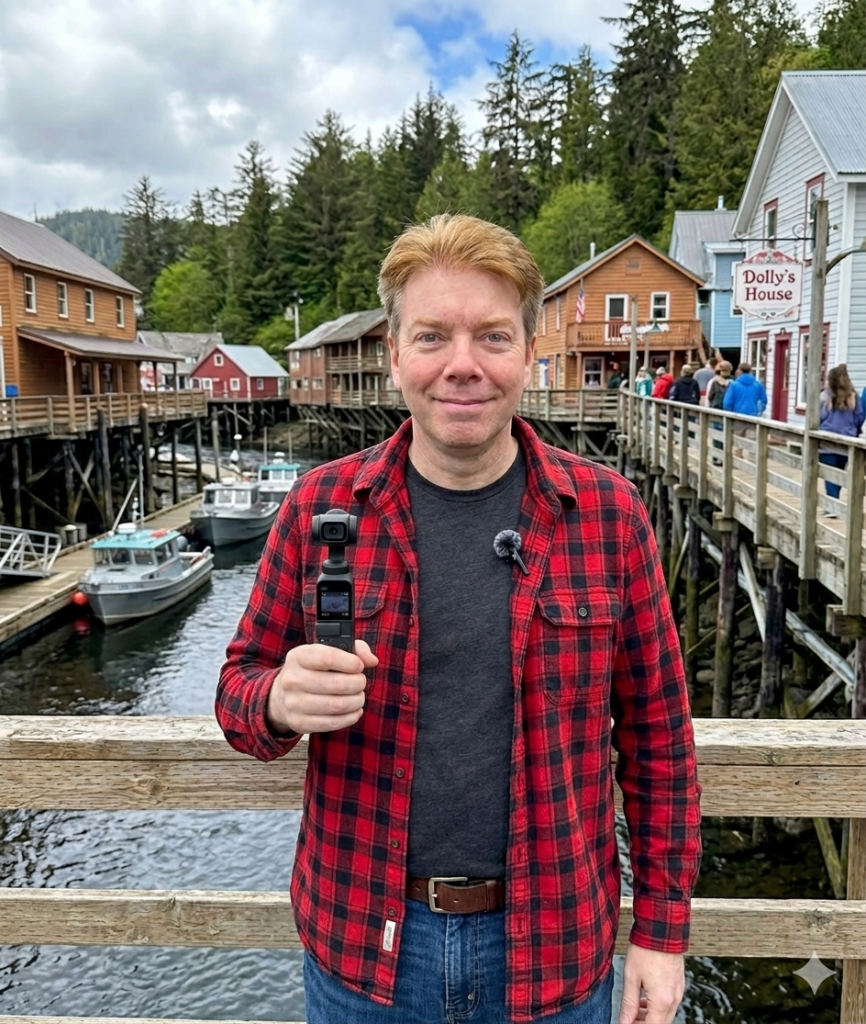
Sometimes life takes you on a journey you never planned.
When I started Take The Trip by Brian, the idea was simple: encourage people to get out, explore, try new things, and create memories. I’ve always believed the best stories aren’t found sitting at home — they’re found somewhere along the road, around a dinner table, on a cruise ship, or in a conversation with someone you just met.
But somewhere along the way, life got busy.
The blog that started as a place to share my adventures slowly took a backseat. Not because I stopped loving travel, but because my journey took a different direction.
Over the past year, I’ve been spending more time creating videos for my YouTube channels, including Brian’s Big Bite, where I combine my passion for food with my love of discovering hidden gems, and Buckeye O-H-I-Flow, celebrating everything I love about Ohio State.
The cameras kept rolling. The stories kept happening. I just wasn’t putting them into words.
And I realized something…
I missed writing.
There is something special about sitting down and telling the story behind the picture. A video can show you where I was, but a blog lets me share what I was thinking, who I met, what I learned, and why that moment mattered.
Over the years, I’ve learned that travel isn’t just about checking places off a map.
It’s about the unexpected moments.
It’s the conversation with a bartender who has spent 20 years working on a cruise ship and shares stories about home.
It’s the small-town restaurant where the owner walks over to your table and tells you how their family started the business.
It’s the local bakery you discover because someone says, “You have to try this place.”
Those are the memories that stay with you.
The destinations are amazing, but the people are what make the trip unforgettable.
When I first started traveling, I thought the goal was to see as much as possible.
Now I realize the goal is to experience as much as possible.
I don’t want to just take a picture in front of a landmark. I want to know the story behind it.
I don’t want to just eat at a restaurant. I want to know the people who created it.
I don’t want to just visit a town. I want to understand what makes that town special.
That’s what I hope to bring back to Take The Trip by Brian.
Not just travel guides.
Not just lists of places to visit.
But stories.
Recently, I had the chance to experience another incredible adventure: an Alaska cruise aboard the Star Princess.
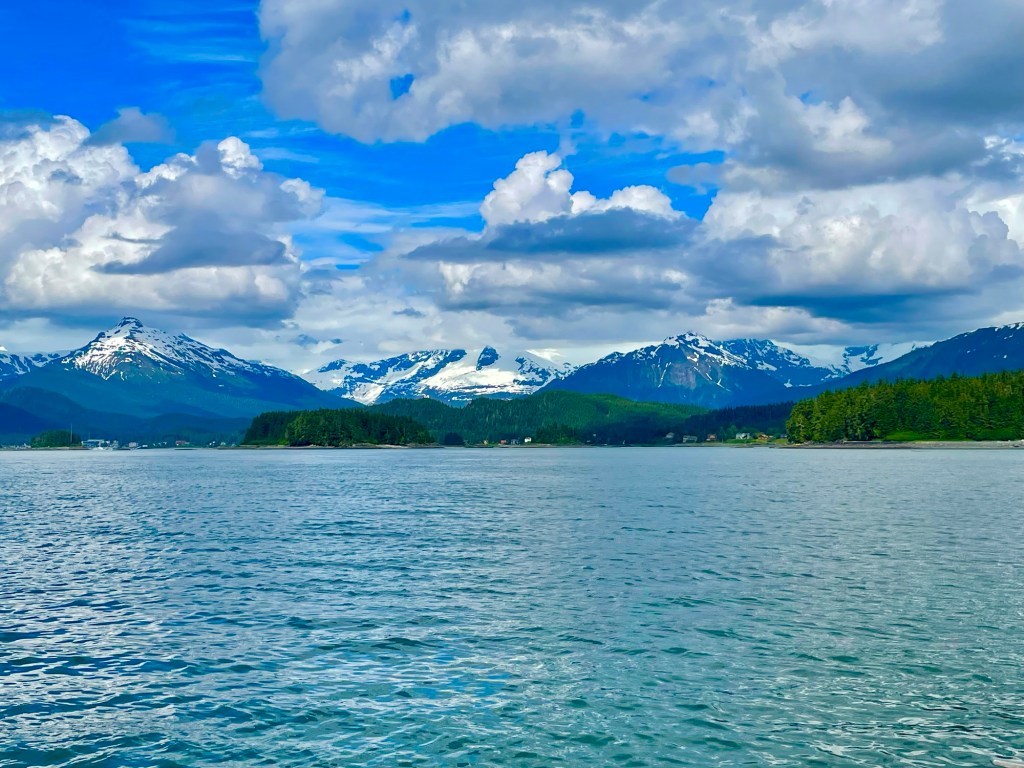
From watching for whales in Juneau to exploring the historic streets of Ketchikan and taking in the beauty of Alaska, it reminded me why I started traveling in the first place.
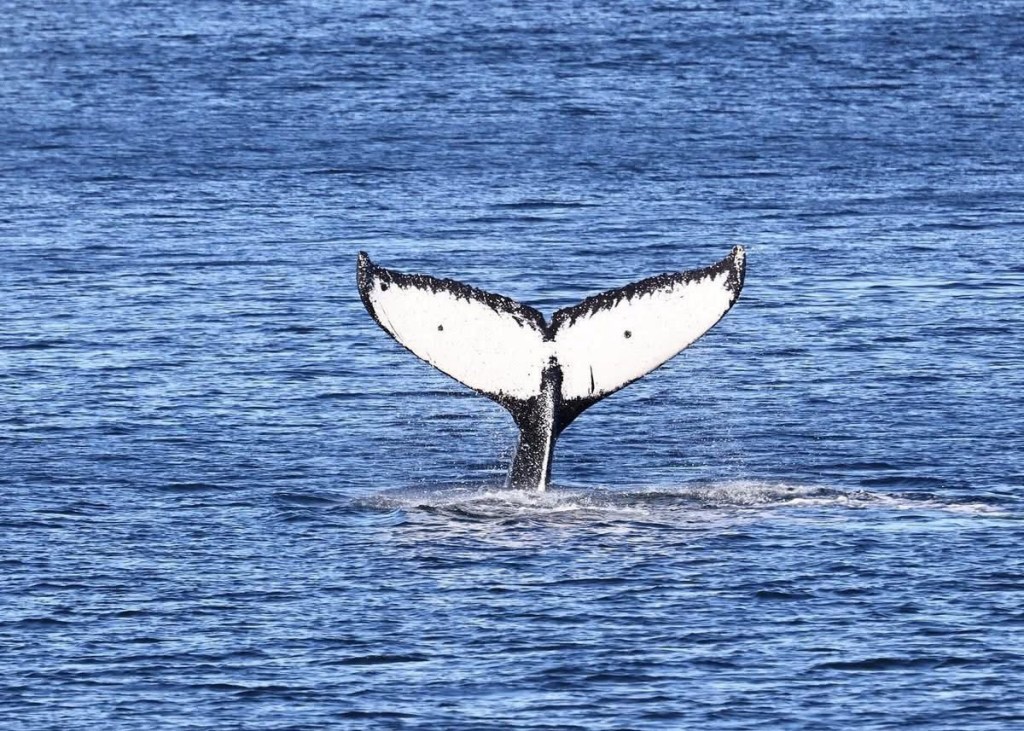
There is still so much to see.
There are still so many stories waiting to be told.
And honestly, I’m not ready to sit still.
I believe there is a big world out there, filled with amazing food, fascinating people, beautiful places, and unforgettable experiences.
And I want to keep discovering them.
So, consider this my official return.
The blog may have taken a little break, but the adventure never stopped.
Moving forward, I’ll be sharing more travel stories, food discoveries, hidden gems, cruise adventures, and the lessons I’ve learned along the way.
Because travel isn’t about how far you go.
It’s about what you experience when you get there.
So whether it’s a trip across the ocean, a weekend road trip, or a restaurant you’ve driven past a hundred times but never stopped at…
Don’t wait.
Make the plans.
Take the trip.
Because the world’s a big place… don’t just dream about it — go see it!
I’m Brian…
And until next time, Take The Trip!
[Opening shot: standing in airport with backpack or suitcase]
Brian on camera:
“Want to make your next flight smoother, more comfortable, and avoid travel disasters? Here are 9 things I NEVER fly without.”
✈️ #1 – Portable Charger / Power Bank
“Airports and planes can turn into battery-draining machines. Between photos, videos, boarding passes, and scrolling… your phone battery disappears fast.”
✈️ #2 – Hand Sanitizer & Disinfectant Wipes
“Planes have a lot of shared surfaces. Tray tables, armrests, seatbelt buckles… a quick wipe down can go a long way.”
✈️ #3 – Neck Pillow
“Because sleeping with your head at a weird angle for three hours? Not the move.”
✈️ #4 – Snacks & An Empty Water Bottle
“Airport food is expensive, and sometimes flights get delayed. Bring snacks and fill up that water bottle after security.”
✈️ #5 – Basic First Aid Supplies
“A few Band-Aids, pain relievers, motion sickness meds, and anything you know you might need.”
✈️ #6 – Extra Underwear and Socks
“If your luggage gets delayed… future-you is going to thank present-you.”
✈️ #7 – Moisturizer, Lip Balm, and Eye Drops
“Plane air can dry you out fast. Lips, skin, eyes… all of it.”
✈️ #8 – AirTag for Your Bag
“If your bag decides to take its own vacation, at least you’ll know where it went.”
✈️ #9 – Noise-Cancelling Headphones
“Crying baby? Loud engine? Chatty seat neighbor? Press one button and enter your own world.”
[Closing shot]
Brian on camera:
“What’s one thing YOU never fly without? Drop it in the comments and follow for more travel tips.
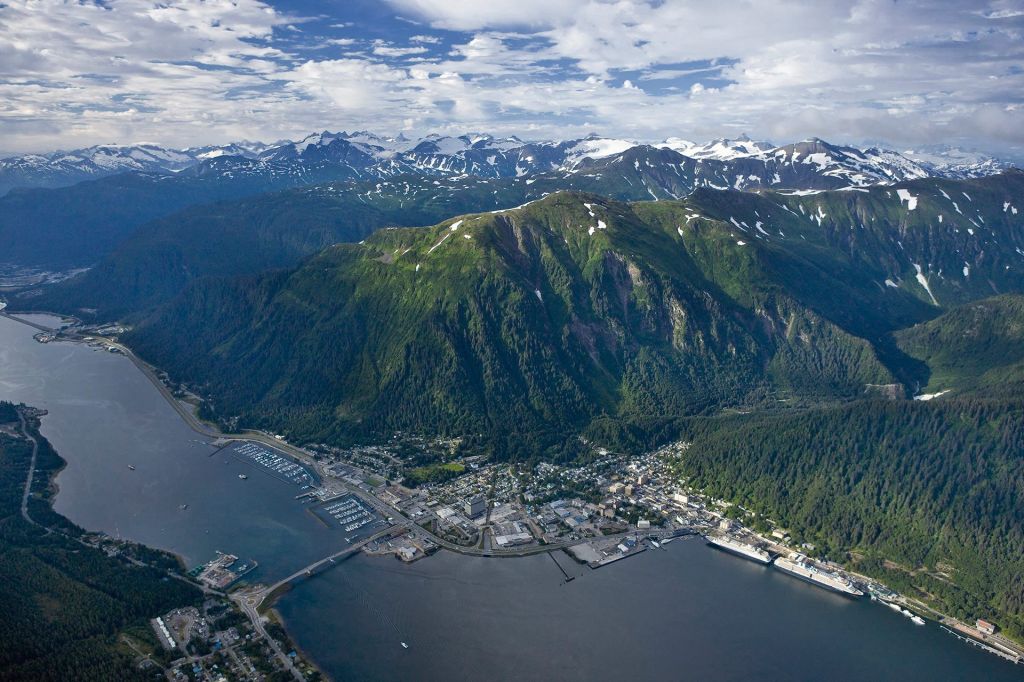
I’ve seen a lot of travel facts that make you pause for a second… but this one about Juneau, Alaska stopped me in my tracks:
You cannot drive to Juneau. At all.
No highway in. No highway out. No “just hop on I-5 and keep going.” Nothing.
For a city that’s actually the capital of Alaska, that feels almost impossible.
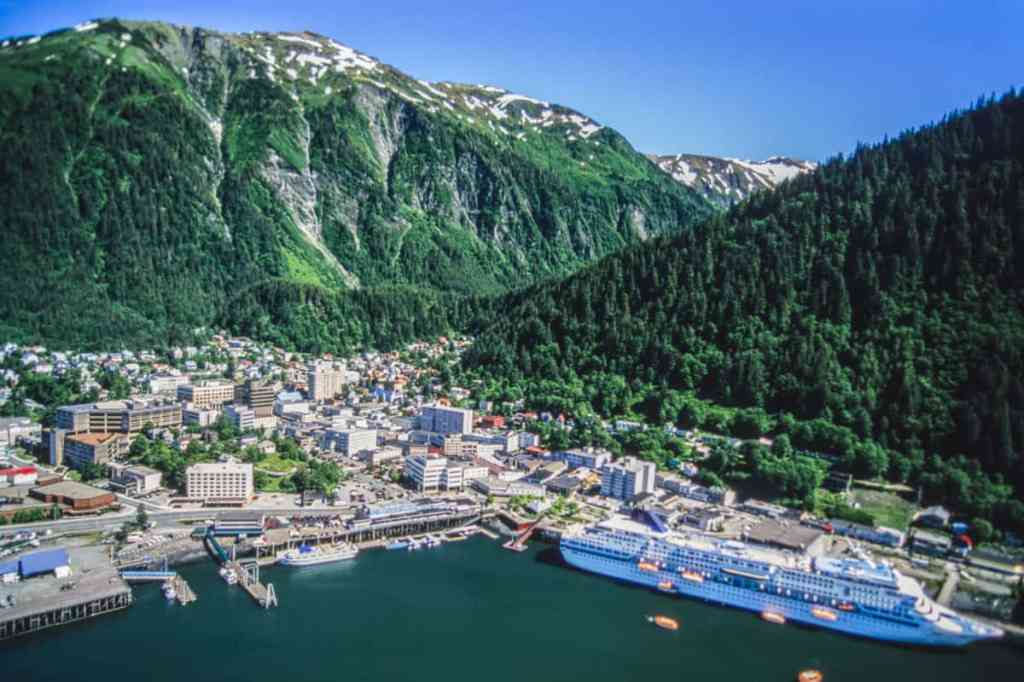
Yep. Juneau is one of the only state capitals in the United States that you can’t reach by car from the rest of the road system.
It sits tucked between mountains, glaciers, and the ocean in a way that completely isolates it from Alaska’s highway network.
So how do people get there?
No road trip option exists. You could be standing in Anchorage, looking at a map, and still have no way to drive there.
What really blew my mind isn’t just that there are no roads in or out—it’s what that does to everyday life.
Groceries? Shipped in.
Cars? Shipped in.
Amazon packages? Shipped in.
Even building materials? You guessed it—shipped in.
Everything in Juneau is connected to the outside world by air or water.
That means weather matters more. Supply chains matter more. And travel isn’t just “book a car”—it’s a whole planning event.
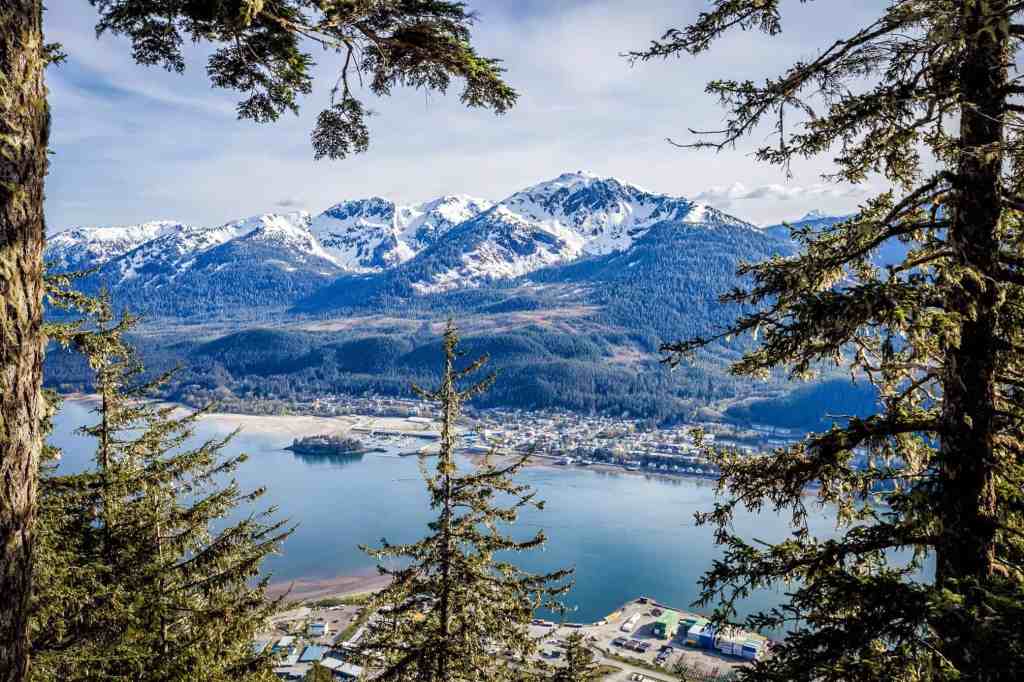
When you picture a U.S. capital city, you think highways, suburbs, traffic lights, and road trips.
Juneau flips that idea upside down.
Instead, you get:
It doesn’t feel like a city you drive to—it feels like a city you arrive at.
Here’s what stuck with me most:
We think “connected” means roads.
But Juneau proves something different—connection doesn’t always mean pavement. Sometimes it means ferries cutting through icy water or planes landing between mountains.
It’s isolated… but it’s not cut off.
And honestly, that’s what makes it unforgettable.
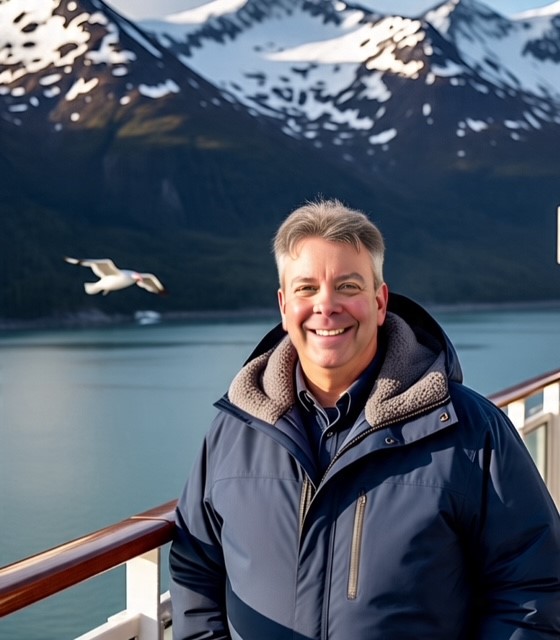
If you ever plan a trip to Alaska, don’t just look at distances on a map—look at access.
Some of the most important places in the state aren’t connected by roads at all, and that changes everything about how you experience them.
Also… book extra time. Weather delays in and out of Juneau are just part of the adventure.
The world’s a big place… don’t just dream about it — go see it! I’m Brian… and until next time, Take The Trip!

